
Best Decking Composite Brands: Complete Comparison & Buying Guide
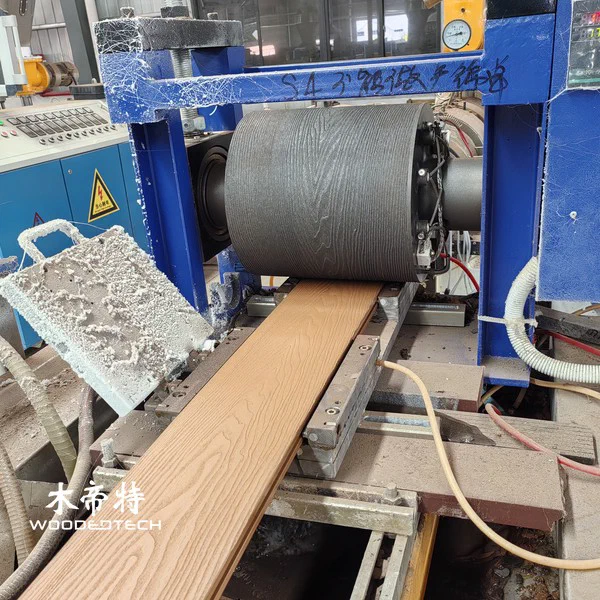
Best decking composite brands differ in material quality, cap technology, color stability, and warranty support, so buyers should compare more than just price. For B2B projects, the right brand is the one that balances performance, supply consistency, and installation efficiency across the full lifecycle.
What Matters Most in Brand Comparison
The strongest composite decking brands usually start with a stable core formula and a protective surface layer. That combination helps reduce staining, fading, and moisture absorption, which is critical for commercial terraces, hospitality decks, and public-facing outdoor spaces. Buyers should also review board density, slip resistance, thermal expansion, and available profiles before placing bulk orders.
Brand reputation matters, but it should be backed by technical data. Look for clear specifications on capped composite decking, warranty length, UV resistance, and color consistency across production batches. For export buyers, factory capacity, lead time, and documentation are just as important as appearance.
Buying Guide for Industrial and Wholesale Projects
If you are sourcing decking for resale, contracting, or large-scale development, focus on product range and supply chain reliability. A good supplier should offer multiple decking composite boards, matching accessories, and support for custom lengths or finishes. This makes procurement easier and reduces waste on site.

When evaluating suppliers, ask for:
- test reports for weathering and slip resistance
- warranty terms and exclusions
- available textures and decking composite colors
- MOQ, packaging, and export lead time
- installation guidance and technical support
Choosing the Right Brand for Your Market
Different markets demand different priorities. Resort and marina projects often need premium visual appeal and moisture resistance. Housing developers may focus more on cost control, fast installation, and dependable bulk supply. Retail distributors should pay attention to brand recognition, packaging quality, and how easy the product is to promote to end users.
A smart buying decision is not only about the product itself, but also about how well the supplier supports your business model. The best decking composite brands are those that combine durable materials, stable production, and practical commercial terms.
FAQ
Q: What is the main difference between composite decking brands? A: The biggest differences are surface protection, board stability, color retention, and warranty support. Manufacturing consistency also affects long-term performance.
Q: Is capped composite decking worth the extra cost? A: For most commercial applications, yes. It usually offers better stain resistance, lower maintenance, and longer-lasting appearance.
Q: What should wholesale buyers request before ordering? A: Ask for technical specs, test reports, warranty details, MOQ, and lead times. Samples are also useful for checking finish and color in person.
Related Articles
Related Products
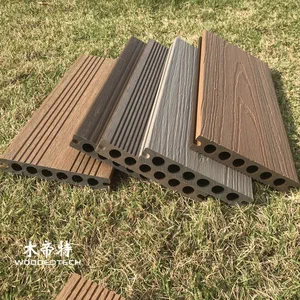
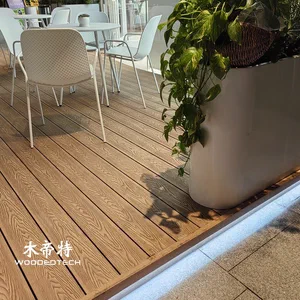
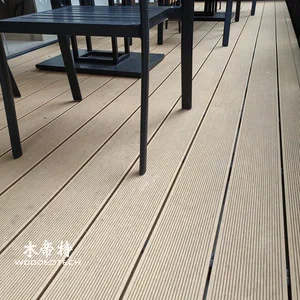
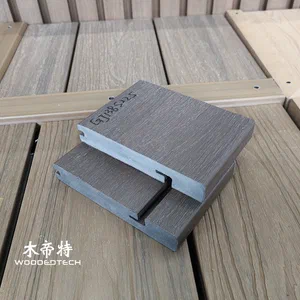 GD13822.5S Fully Capped Solid Starter Wood Polymer Composite Decking Provides a Stable Starting Structure for the First Decking Board
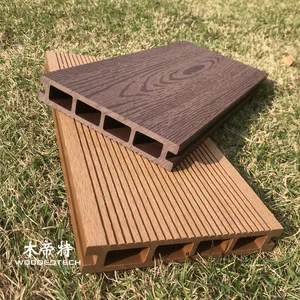 D14025-4 Composite for Decking Provides Stable Performance and Reliable Quality as a Popular Choice for Outdoor Projects
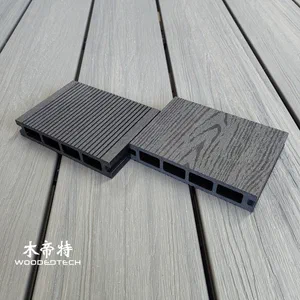 D14025-4 WPC Decking Boards Feature a Flat Wood Grain Surface with Black Ebony Heartwood Ring Grain for Outdoor Applications