
Best Composite Decks for Commercial and Industrial Applications in 2026
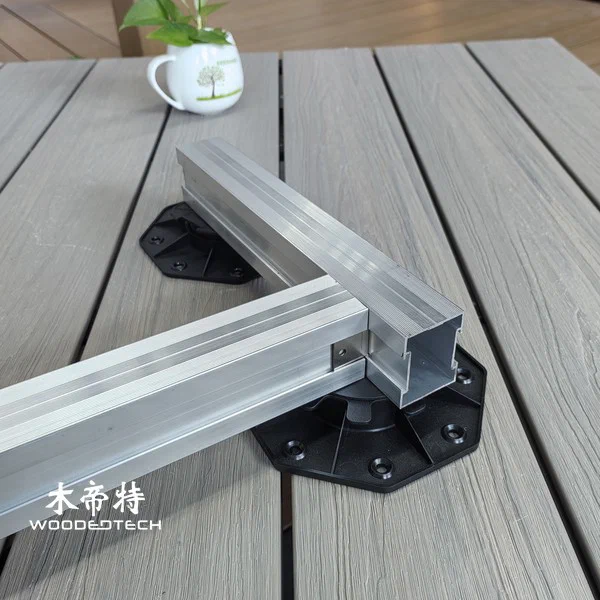
Composite decking is a practical choice for commercial and industrial outdoor spaces where durability, safety, and manageable maintenance costs matter. In 2026, the best composite decks are those engineered for frequent foot traffic, changing weather conditions, moisture exposure, and long-term structural performance. Wood plastic composite (WPC) decking offers a versatile alternative to traditional timber for hotels, commercial landscapes, public facilities, and selected industrial environments.
What Makes Composite Decking Suitable for Commercial Applications?
Commercial projects place different demands on decking materials than residential installations. Shopping centers, hotels, restaurants, public parks, and office developments may experience hundreds or thousands of visitors each day. Decking must maintain its appearance and surface integrity despite repeated use, furniture movement, cleaning, and exposure to sunlight and rain.
High-quality composite decking combines wood fibers with thermoplastics and performance additives. This construction provides several advantages:
- Moisture resistance: Helps reduce water absorption, swelling, and decay compared with untreated timber.
- Low maintenance: Does not require regular staining, painting, or wood-preservative treatments.
- Weather resistance: Suitable formulations can withstand outdoor temperature changes, UV exposure, and seasonal rainfall.
- Surface consistency: Manufactured profiles offer consistent dimensions, textures, and colors across large installations.
- Design flexibility: Available in different colors, surface finishes, solid or hollow profiles, and installation systems.
For demanding commercial environments, capped composite decking and co-extrusion decking are worth considering. Their protective outer layers help improve resistance to stains, moisture, fading, and everyday surface wear. However, product performance varies by manufacturer, so buyers should compare technical specifications rather than relying on material descriptions alone.
Best Applications for Commercial and Industrial Composite Decking
Hotels, Resorts, and Hospitality Facilities
Hotels and resorts frequently use outdoor decking around swimming pools, restaurants, garden walkways, rooftop terraces, and recreational areas. These spaces require an attractive appearance while handling regular guest traffic and frequent cleaning.
For hotel pool surroundings, choose textured, slip-resistant composite decking with appropriate drainage and moisture resistance. Light or medium wood-grain colors can create a welcoming atmosphere while complementing outdoor furniture and landscape design.
For restaurant terraces and outdoor dining areas, capped WPC decking is a suitable option because food spills and routine cleaning are common. Confirm the product’s stain resistance, cleaning requirements, and suitability for commercial furniture loads before specification.
Commercial Landscapes and Office Developments
Office parks, business campuses, shopping centers, and commercial gardens benefit from composite decking in pedestrian routes, outdoor seating areas, landscaped platforms, and communal terraces.
For these applications, prioritize durable composite deck boards with a consistent surface texture and reliable dimensional stability. Commercial walkways should use a slip-resistant finish, especially in areas exposed to rain or irrigation.
WPC decking can also be combined with composite benches, planters, pergolas, and decorative screens to create a coordinated outdoor environment. Using matching materials across different landscape elements helps maintain a consistent architectural appearance.
Public Parks and Recreational Spaces
Public parks place considerable demands on outdoor materials because visitors use the facilities throughout the year. Composite decking can be installed on viewing platforms, garden boardwalks, picnic areas, outdoor stages, and recreational terraces.
For these projects, solid composite decking may be appropriate in areas requiring greater resistance to concentrated loads, while engineered hollow profiles can offer weight advantages in suitable applications.
Professional specifications should address:
- Expected pedestrian traffic and design loading.
- Slip resistance in wet and dry conditions.
- UV stability and color retention.
- Drainage and ventilation beneath the deck.
- Vandal resistance and ease of individual board replacement.
For elevated platforms and public access structures, the supporting frame, connections, handrails, and foundations must be engineered separately to meet applicable building and accessibility requirements.

Residential Gardens and Balconies
Although commercial applications are the primary focus, residential gardens and balconies are also suitable environments for outdoor WPC products.
In gardens, composite decking works well for patios, outdoor dining platforms, garden paths, and seating areas. Its consistent appearance and reduced maintenance requirements make it attractive to homeowners who want a wood-like finish without regular timber treatments.
For balconies, lightweight composite deck tiles or appropriately specified decking boards can provide a clean outdoor flooring surface. Installers should check the balcony’s drainage outlets, waterproofing membrane, allowable loading, and ventilation requirements before installation. Decking must not obstruct drainage or compromise the existing waterproofing system.
Swimming Pool Areas and Public Facilities
Swimming pool surroundings require particular attention to slip resistance, water drainage, and barefoot comfort. Choose composite decking with a suitable textured finish and documented wet-slip performance. Rounded or properly finished edges can also improve comfort around seating and access areas.
Public facilities such as visitor centers, community buildings, educational campuses, and recreational centers can use composite decking for entrance platforms, outdoor corridors, gathering spaces, and accessible pathways.
Where public access is involved, designers should consider wheelchair accessibility, transition heights, edge protection, handrail requirements, and local fire-safety regulations. Standard outdoor WPC decking should not automatically be specified for emergency exits or fire-rated applications without supporting certification.
How to Select the Right Composite Decking for Heavy-Duty Projects
Choosing the best composite decking involves more than comparing prices and colors. Commercial buyers should evaluate the complete product system, including boards, joists, clips, fasteners, and edge finishing.
The main selection considerations include:
- Profile construction: Solid boards may suit demanding applications, while hollow boards can reduce material weight. Neither option should be selected without checking tested load capacity and installation requirements.
- Surface technology: Capped and co-extruded products offer additional surface protection for environments with frequent cleaning, heavy use, or moisture exposure.
- Slip resistance: Request documented test results for both wet and dry conditions, particularly for pool decks, public walkways, and outdoor stairs.
- Structural performance: Check span tables, load ratings, deflection limits, and fixing requirements. Commercial projects may require project-specific structural calculations.
- Environmental performance: Review UV resistance, temperature tolerance, water absorption, and applicable fire classifications.
- Warranty and technical support: Confirm commercial-use coverage, installation conditions, maintenance requirements, and replacement-part availability.
Industrial environments require additional assessment. Composite decking may be suitable for employee walkways, outdoor break areas, and designated pedestrian platforms, but it is not automatically appropriate for forklift routes, heavy machinery zones, chemical processing areas, or locations exposed to extreme heat. These applications require specific mechanical, chemical, thermal, and fire-performance verification.
Installation Recommendations for Long-Term Performance
Even high-quality composite decking can experience premature problems if the installation system is poorly designed. Commercial projects should begin with an assessment of ground conditions, structural support, drainage, ventilation, and expected loading.
Use manufacturer-approved joist spacing, fastening systems, and expansion gaps. Composite materials expand and contract with temperature changes, so installers must follow the specified end-to-end and perimeter clearance requirements.
For large commercial installations, additional attention should be given to:
- Subframe strength and corrosion resistance.
- Consistent board spacing and alignment.
- Adequate drainage beneath the decking.
- Ventilation to prevent trapped moisture.
- Secure edge details and transition profiles.
- Access for future inspection and maintenance.
For elevated decks and public platforms, WPC boards should be treated as decking components rather than structural substitutes. The supporting framework must be independently designed and verified for the intended loads.
A well-specified composite decking system can serve hotels, commercial landscapes, parks, balconies, pool surroundings, and selected industrial pedestrian areas. For buyers sourcing materials in 2026, the priority should be to match board construction, surface performance, structural specifications, and installation details to the actual site conditions. Working with an experienced WPC manufacturer that can provide technical data, customized profiles, consistent production quality, and project support helps reduce specification risks and supports reliable long-term performance.
Related Articles
 Optimizing Composite Deck Wood for Large-Scale Commercial Construction Projects
 Composite Deck Picture Frame Solutions for Commercial Projects
 Composite Decking Square Edge: Industrial Applications and 2026 Trends
 capped composite decking uk provides durable outdoor flooring choices for gardens patios and commercial spaces
Related Products
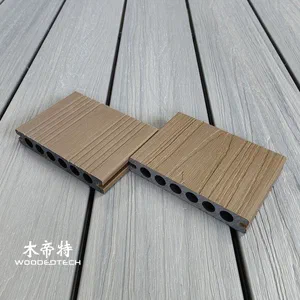 GD13823-3 Teak TK Co Extruded Decking Is a Popular Choice from Composite Decking Suppliers for Outdoor Flooring Projects
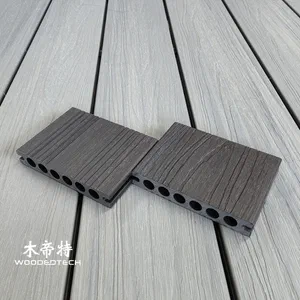 GD13823-3 Walnut WN Co Extruded Decking Features a Dark Rich Color That Helps Resist Visible Dirt and Stains
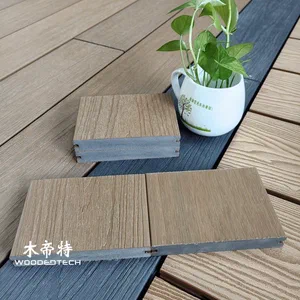 The GD14020S Composite Decking on Sale Features a Solid Core Structure Designed to Withstand Extreme Outdoor Temperature Changes and Freezing Conditions