
Best Composite Deck Boards For The Money
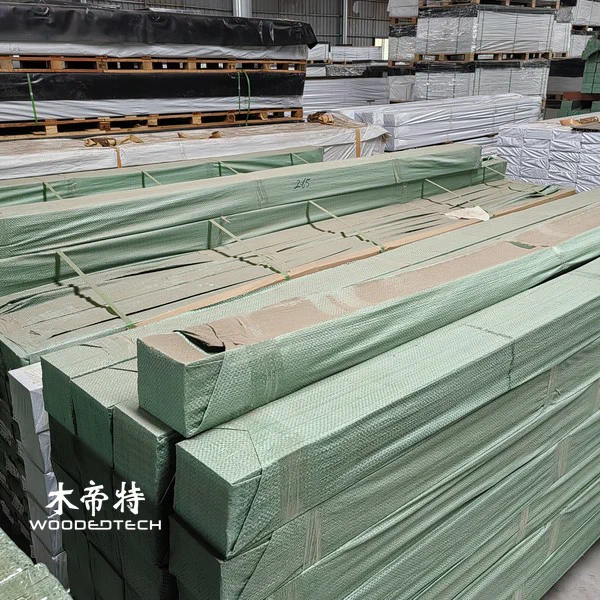
Designing high-performance outdoor wood plastic composite (WPC) formulas requires a careful balance of components to create products like decking, wall cladding, fencing, pergolas, and landscape materials that meet durability, aesthetic, and cost requirements. Key factors include the ratio of wood fiber to plastic, the right additives, and strategies for cost control while ensuring a long product lifespan.
Wood Fiber and Plastic Ratio
The fundamental aspect of WPC formulation is the balance between wood fiber and plastic content. Typically, wood fibers provide strength, rigidity, and a natural appearance, while plastics enhance durability and resistance to moisture and decay. A common ratio ranges from 40% to 70% wood fiber and 30% to 60% plastic. Increasing wood fiber content can reduce costs and enhance the natural look, but too much can compromise structural integrity and moisture resistance.
Finding the optimal mix is crucial, as it affects not only performance but also the end product’s weight and processing characteristics. For applications like decking, a higher plastic content might be favorable for enhanced weather resistance and longevity, while products such as decorative wall panels may allow for greater wood fiber content without significant performance drawbacks.
Additives for Performance Enhancement
Additives play a vital role in fine-tuning the properties of WPCs. Various additives can be included to improve performance, including:
- UV stabilizers to prevent color fading.
- Antioxidants to enhance lifespan and prevent degradation.
- Flame retardants for safety compliance.
- Anti-fungal agents to inhibit mold and mildew growth.
- Coupling agents that improve the bond between wood fibers and plastic.
Selecting the right additives can lead to significant improvements in durability and appearance, making the product more appealing to consumers.
Cost Control Strategies
Cost control is essential in the competitive WPC market. When designing formulations, engineers must consider not only raw material costs but also processing expenses. Optimizing the wood-to-plastic ratio can help manage costs, as wood fiber is often less expensive than plastic. Additionally, using recycled materials, both in plastic and wood, can further reduce costs while appealing to eco-conscious consumers.
Efficient manufacturing processes also contribute significantly to cost control. Implementing co-extrusion techniques allows for the production of capped composites, which offer enhanced durability and aesthetic appeal without requiring a significant increase in material costs.
Product Lifespan Considerations
Extending the product lifespan is a primary goal for any WPC formulation. This can be achieved through the careful selection of materials and additives as well as by optimizing the formulation to enhance resistance to environmental factors such as moisture, UV radiation, and temperature fluctuations.

WPCs designed for outdoor use must withstand various conditions without significant degradation. Implementing features like textured surfaces can enhance slip resistance, making products safer and more desirable for consumers. Furthermore, ensuring that the WPC formulation has a consistent density throughout can prevent warping and splitting over time.
Conclusion
High-performance outdoor wood plastic composites are the result of a thoughtful balance between wood fiber and plastic ratios, the strategic use of additives, cost management, and a focus on longevity. By carefully designing formulations with these factors in mind, manufacturers can produce superior products that meet the demands of the outdoor market effectively.
Related Articles
 Understanding Composite Deck Gap: Best Practices for Industrial Applications in 2023
 Solid Composite for Strong Durable Outdoor Decking Panels and Architectural Applications
 Exploring Custom Composite Solutions: Enhancing Industrial Applications in 2023
 Teak Synthetic for Low Maintenance Outdoor Decking Furniture and Architectural Applications
Related Products
 GD13820 M Shape Co Extruded Composite Deck Planks Feature a Special Profile Design for Distinctive Outdoor Decking Applications
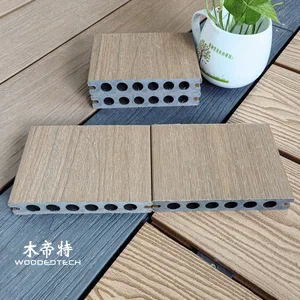 GD13823 Double Sided Flat Surface Co Extruded WPC Decking Features a Popular Width and Thickness with Round Hollow Structure
 GD13823-3 Composite Boards for Decking Are Available in Multiple Stock Colors with 3 Meter Lengths and Single Piece Delivery