
Assessing Composite Deck Safety: Are Composite Decks Slippery When Wet?
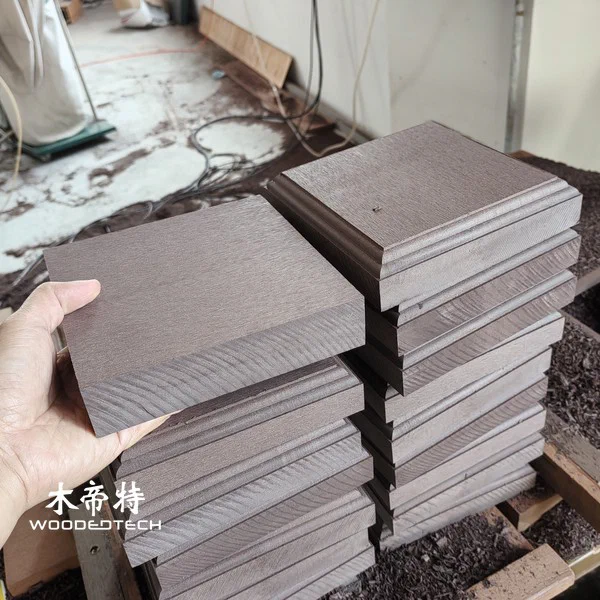
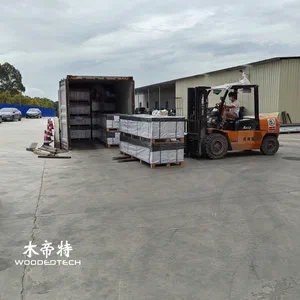
Outdoor WPC (Wood Plastic Composite) products undergo rigorous testing before shipment to ensure quality and safety. These tests assess various parameters, including dimensional accuracy, density, impact resistance, water absorption, color stability, bending strength, and appearance. Each aspect is crucial for delivering reliable, durable, and safe products for outdoor use.
Dimensional Accuracy
Dimensional accuracy is essential for ensuring that WPC products fit correctly during installation. Measurements are taken to verify that the products conform to specified lengths, widths, and thicknesses. Variations beyond acceptable tolerances could lead to installation difficulties and performance issues.
Density
Density testing measures the weight per unit volume of the WPC material. This characteristic affects the product’s strength and durability. A consistent density ensures that the material will perform as expected under various environmental conditions. The ideal density range is defined based on the intended application of the product.
Impact Resistance
Impact resistance testing evaluates how well the product can withstand sudden forces. This is particularly important for outdoor applications where the material may be subjected to falling objects or heavy foot traffic. The test involves dropping a standardized weight from a specific height onto the product and assessing any resulting damage. A high impact resistance score indicates a robust product.
Water Absorption
Water absorption testing determines how much moisture the WPC material can absorb over a given period. High water absorption can lead to swelling, warping, and a decrease in structural integrity. The testing process typically involves submerging samples in water for a specified duration and measuring the weight difference before and after immersion.
Color Stability
Color stability is tested to ensure that the product retains its appearance over time, even when exposed to UV light and weathering. Samples are subjected to accelerated aging processes that mimic years of outdoor exposure. The color is then compared against baseline measurements to ensure minimal change, which is vital for aesthetic appeal.

Bending Strength
Bending strength testing assesses how much load the product can withstand before failing. This is critical for deck boards and other load-bearing applications. The test involves applying a gradual load until the product bends or fractures, providing insights into its load-bearing capacity and overall structural integrity.
Appearance Inspection
Finally, a thorough visual inspection is conducted to assess the product’s finish and overall quality. This inspection looks for any defects such as scratches, discoloration, or inconsistencies in texture. Ensuring the aesthetic quality of WPC products is essential for customer satisfaction and marketability.
Through these comprehensive tests, manufacturers can guarantee that outdoor WPC products meet stringent quality and safety standards, offering consumers reliable and long-lasting solutions for their outdoor spaces.
Related Articles
 Best Practices for Installing Composite Decking on Stairs: A Comprehensive Guide for 2023
 Exploring the Benefits of Golden Select Composite Deck Tiles: Light Brown Options for 2023
 Innovative Applications of Composite Board for Decking in Commercial Projects
 Optimal Composite Decking Joist Spacing: Guidelines for 2023 and Beyond
Related Products
 GD13820 M Shape Co Extruded Composite Deck Planks Feature a Special Profile Design for Distinctive Outdoor Decking Applications
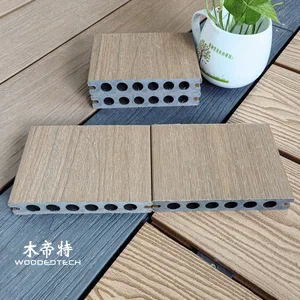 GD13823 Double Sided Flat Surface Co Extruded WPC Decking Features a Popular Width and Thickness with Round Hollow Structure
 GD13823-3 Composite Boards for Decking Are Available in Multiple Stock Colors with 3 Meter Lengths and Single Piece Delivery