
All-in-One Composite Deck Kits: Easy DIY Installation & Price Guide
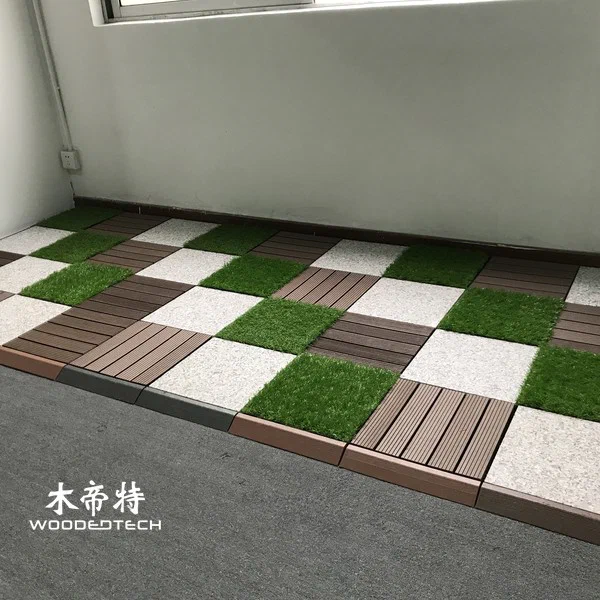
All-in-one composite deck kits simplify procurement and installation for contractors, distributors, and project owners who need a fast, consistent outdoor flooring solution. They combine deck boards, joists, clips, fasteners, and trim into one package, reducing sourcing time and on-site guesswork. For commercial projects, that means cleaner budgeting, fewer missing parts, and a more predictable installation schedule.
What Makes a Composite Deck Kit “All-in-One”
A complete kit is built for practical delivery rather than piecemeal buying. Instead of matching separate components from different suppliers, buyers receive a coordinated system designed to work together. That usually includes composite decking boards, hidden fixings, starter clips, edge trims, and sometimes matching stairs or railing components.
For B2B buyers, the value is not only convenience. A unified kit helps maintain color consistency, board alignment, and installation quality across multiple sites. It also makes training easier for crews because the system follows one method rather than several product-specific methods.
Easy DIY Installation for Small Teams

Because most kits use pre-engineered components, cutting errors and material waste are lower than with mixed-material builds. Hidden fastening systems also improve the finished look and reduce exposed screws, which is important for outdoor spaces that need both durability and presentation value.
Price Guide and Buying Factors
Composite deck kit pricing depends on board thickness, cap quality, surface texture, and total coverage area. In wholesale or project-volume purchases, the most common cost drivers are board density, UV resistance, slip performance, and whether the kit includes joists or accessories.
Typical buyers should compare:
- Total square-meter coverage
- Board profile and core construction
- Hidden fastening hardware included
- Warranty length and color stability
- Shipping efficiency and packing format
A lower upfront price can be attractive, but B2B buyers should check lifecycle value. A kit with better weather resistance and lower maintenance needs can reduce replacement and service costs over time, especially in commercial outdoor environments.
Best Use Cases for Trade Buyers
All-in-one composite deck kits fit well in hospitality, multi-unit housing, retail frontage, resort landscaping, and municipal seating areas. They are especially useful when repeatable installation matters across several properties or when labor availability is tight.
For exporters and importers, the kit format also supports easier warehousing and clearer order fulfillment. One SKU bundle is simpler to quote, ship, and track than a fragmented bill of materials.
FAQ
Q: Are composite deck kits suitable for commercial projects? A: Yes. They work well for terraces, walkways, and outdoor seating areas where consistent quality and faster installation are important.
Q: Do all-in-one kits include everything needed for installation? A: Most kits include boards and fixing accessories, but some may require a separate subframe or base preparation materials. Always confirm the packing list before ordering.
Q: What affects composite deck kit price the most? A: Board quality, surface finish, accessory inclusion, and order volume have the biggest impact. Shipping format can also change the landed cost.
Related Articles
Related Products
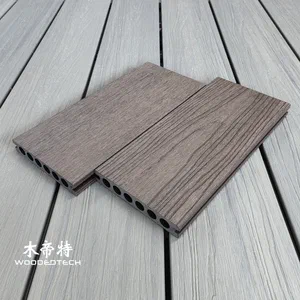 3DGD13823 Second Generation 3D Embossed Rosewood Composite Balcony Decking Delivers Ultra Realistic Wood Grain Texture and a Premium Natural Wood Experience
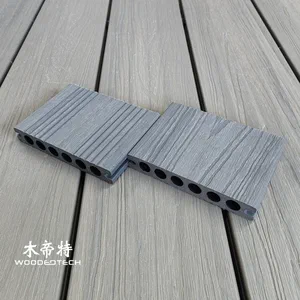 GD13823-3 Light Grey Premium Co Extrusion WPC Composite Decking Offers LG Texture and Excellent UV Resistance for Outdoor Spaces
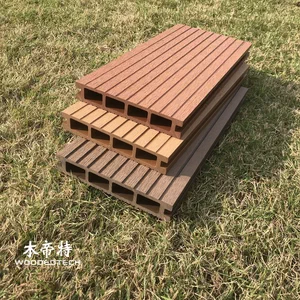 D14025-3 Square Hole Double Sided Grooved WPC Board Factory Producing Outdoor Decking Boards With Good Slip Resistance