
A Comprehensive Guide to Choosing Wood Plastic Composite Decking Boards for Your Projects
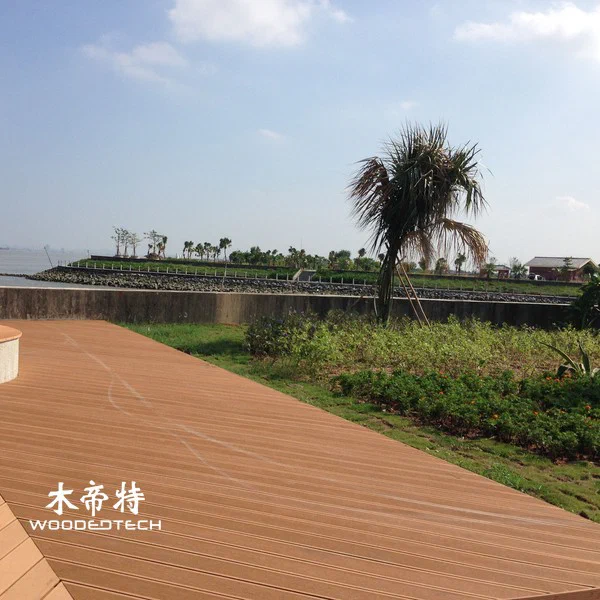
Choosing the right wood plastic composite (WPC) decking boards is essential for ensuring durability, aesthetic appeal, and cost-effectiveness in outdoor projects. This guide will help you understand how to design high-performance WPC formulations tailored for decking, wall cladding, fencing, pergolas, and landscape products, focusing on key components like wood fiber content, plastic ratios, additives, and overall product lifespan.
Understanding the Components of WPC
WPC is a blend of wood fibers and plastic materials, typically polyethylene, polypropylene, or polyvinyl chloride. The combination of these materials results in a product that mimics the appearance of wood while offering enhanced durability and resistance to environmental stressors.
When designing a WPC formula, three primary components must be balanced:
Wood Fiber Content: This contributes to the natural look and feel of the composite. Typically, a higher wood fiber content enhances the aesthetics but may reduce moisture resistance and durability. Aim for a balance that provides the desired appearance while maintaining structural integrity.
Plastic Ratio: The type and amount of plastic used directly influence the flexibility, strength, and weather resistance of the final product. A higher plastic content generally improves durability and water resistance, making the composite suitable for outdoor applications.
Additives: Incorporating various additives can enhance specific properties such as UV resistance, color stability, and fire retardancy. Common additives include anti-UV agents, colorants, and processing aids. Each additive should be carefully selected based on the intended use of the WPC product.
Cost Control in WPC Formulation
While performance is critical, controlling costs is equally important. The selection of raw materials significantly impacts the overall price of WPC products. Here are some strategies for achieving cost efficiency:

Source Materials Wisely: Establish relationships with suppliers to secure quality wood fibers and plastics at competitive prices. Recycled materials can also reduce costs and enhance sustainability.
Optimize Formulation: Conduct thorough testing to determine the optimal balance of wood and plastic. A well-designed formulation can reduce material consumption without compromising quality.
Scale Production: Consider production scale when pricing. Larger production runs can reduce per-unit costs through economies of scale.
Enhancing Product Lifespan
The longevity of WPC products hinges on the right formulation and processing techniques. Effective strategies include:
Weather Resistance: Utilize additives that enhance UV stability and water resistance. This will help prevent fading, warping, and degradation over time.
Surface Treatments: Apply coatings or treatments that enhance slip resistance and protect against stains. These surface enhancements can significantly extend the lifespan of decking and cladding applications.
Regular Testing: Implement a rigorous quality control process to monitor the durability of WPC products. Regular testing for environmental stressors such as moisture absorption and UV exposure ensures that the final product meets longevity standards.
Conclusion
Designing high-performance WPC formulas for outdoor applications requires careful consideration of wood fiber content, plastic ratios, additives, and cost control. By balancing these elements, manufacturers can create durable, visually appealing, and cost-effective products that stand the test of time in various outdoor environments.
Related Articles
 Composite Decking Lengths Provide Flexible Options For Different Outdoor Project Requirements
 Composite Decking 5 Metre Lengths Provide Seamless Installation Options for Large Outdoor Areas
 Plastic Wood Deck Boards Provide Durable Alternatives to Traditional Outdoor Timber Flooring
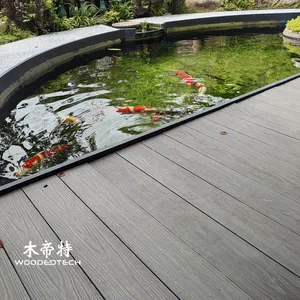 will composite decking rot? The Truth About WPC Durability
Related Products
 GD13820 M Shape Co Extruded Composite Deck Planks Feature a Special Profile Design for Distinctive Outdoor Decking Applications
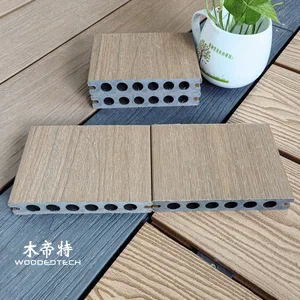 GD13823 Double Sided Flat Surface Co Extruded WPC Decking Features a Popular Width and Thickness with Round Hollow Structure
 GD13823-3 Composite Boards for Decking Are Available in Multiple Stock Colors with 3 Meter Lengths and Single Piece Delivery