
8x8 composite deck creates spacious outdoor living areas with durable decking materials
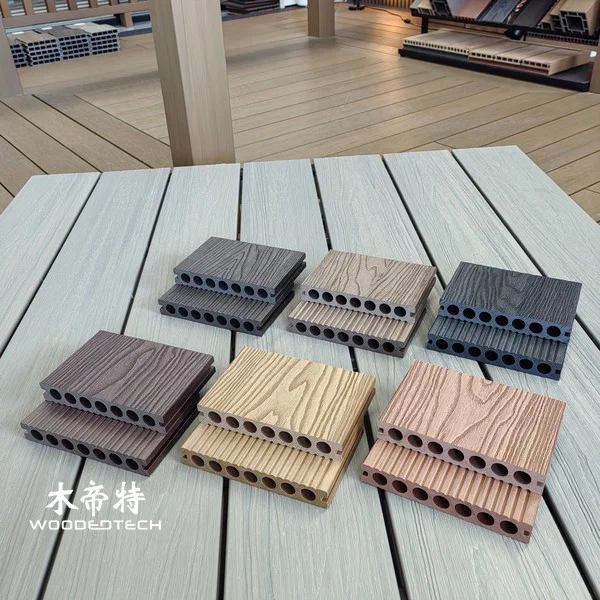
An 8x8 composite deck is a practical way to create a spacious outdoor living area without giving up durability or design quality. With the right colors, textures, profiles, and modular details, composite materials can make decks, fences, pergolas, gazebos, and landscape features feel coordinated and modern.
Design trends that shape outdoor living
Modern outdoor design is moving toward clean lines, calm color palettes, and coordinated surfaces. For an 8x8 composite deck, that means choosing decking colors that connect naturally with wall panels, privacy screens, and garden structures instead of treating each element as a separate project.
Deep gray, warm teak, and soft brown tones remain popular because they work well with both residential and commercial spaces. Lighter finishes can make compact areas feel larger, while darker boards add contrast and a more architectural look.
Texture and profile create visual depth
Surface texture matters as much as color. Embossed grain, brushed finishes, and co-extrusion surfaces help composite decking look closer to natural timber while offering better resistance to fading and wear. These textures also reduce the flat, plastic look that older outdoor materials often had.
Profiles are another important design tool. Grooved boards, square-edge planks, fluted wall panels, and slim cladding lines can be mixed to build rhythm across the space. That contrast gives the deck stronger definition and helps fences, pergolas, and gazebos feel like part of one design language.
Modular products make small spaces work harder
An 8x8 deck benefits from modular thinking. Instead of using one heavy visual theme, designers can combine decking boards, snap-together tiles, matching railings, and integrated benches to save space and improve flow. Modular layouts also make installation cleaner and future expansion easier.
This approach works especially well for:
- composite deck tiles and outdoor flooring
- privacy fences and decorative screens
- attached composite pergolas and compact gazebos
- planter boxes, benches, and landscape edging
When these parts share the same finish family, the outdoor area looks larger and more intentional.
Coordinated materials improve the whole site

The best outdoor spaces use composite products across multiple features, not just the floor. Wall panels can add warmth and privacy, fences can frame the boundary, and pergolas can define shade zones without visual clutter. In landscaped areas, matching planters, benches, and grilles help connect hardscape and greenery.
Durable composite materials also reduce maintenance concerns. They resist moisture, insects, and daily weather exposure better than many natural alternatives, which is why buyers increasingly ask for sustainable composite building products that keep their appearance over time.
FAQ
Q: Why is an 8x8 composite deck a good outdoor layout? A: It offers enough room for seating, dining, or lounge use while staying compact and efficient. The square format is easy to design around with modular accessories.
Q: How do composite colors affect outdoor design? A: Color sets the mood and changes how large the space feels. Neutral and wood-look tones help the deck blend with surrounding walls, fences, and landscape elements.
Q: What makes composite better for coordinated outdoor projects? A: Composite products can share similar textures and finishes across decking, cladding, fencing, and shade structures. That creates a consistent look with low maintenance.
Related Articles
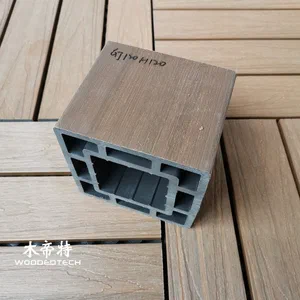 Outdoor kitchen composite decking provides stylish and practical flooring solutions for open air spaces
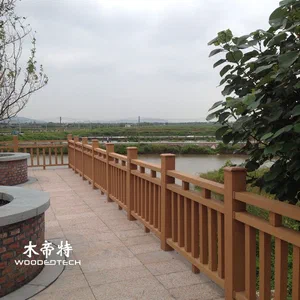 7 inch wide composite decking provides a spacious surface design for comfortable outdoor living areas
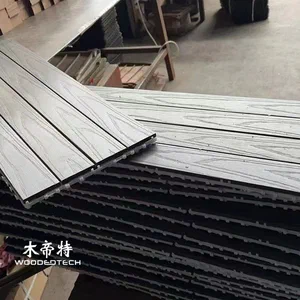 WPC 3d model helps designers visualize creative outdoor and interior decoration solutions
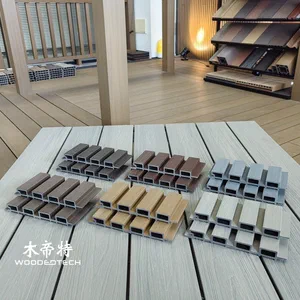 Composite decking light grey provides a modern color choice for stylish outdoor living spaces
Related Products
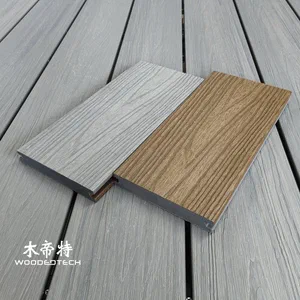 Second Generation Two Color Co Extruded 3D Embossed 3DGD14023S Composite Wood Deck Boards Feature an Extremely Realistic Antique Wood and Teak Grain Texture
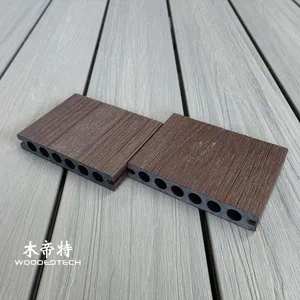 GD13823-3 Redwood Color Round Hole Co Extrusion Decking Composite Decking Brings Classic Chinese Red Style to Outdoor Flooring Projects
 3D15023 150mm Width 23mm Thickness Round Hole 3D Embossed Chocolate Color Outdure Composite Decking Creates Elegant Outdoor Spaces