
8ft composite decking boards offer convenient lengths for various outdoor flooring projects
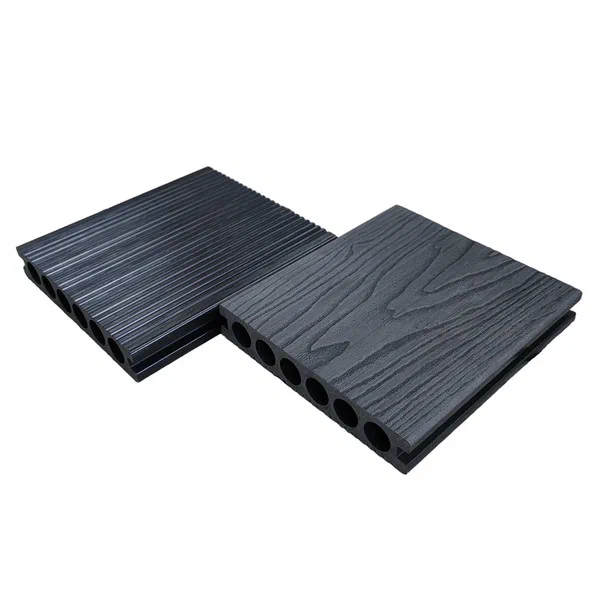
8ft composite decking boards give outdoor projects a practical length that is easy to handle, quick to install, and flexible for many layouts. For modern residential and commercial spaces, they also support cleaner design lines, fewer cuts, and a more efficient material plan across decking, cladding, fencing, and pergola systems.
Modern outdoor design starts with proportion
Eight-foot boards work well for compact patios, balcony floors, garden paths, and small terraces because they simplify planning without sacrificing visual continuity. Designers often use this length to create balanced layouts with fewer joints, which makes the surface look calmer and more refined.

The same design logic applies beyond decking. Matching board dimensions across wall panels, fence systems, and pergola surfaces helps outdoor spaces feel coordinated instead of pieced together. When the profile is consistent, the whole project reads as one design language.
Color and texture shape the atmosphere
Today’s composite decking trends lean toward natural shades, from teak and walnut tones to cool grey and charcoal finishes. These colors help outdoor areas blend with stone, planting, metal frames, and glass details while still looking contemporary.
Texture matters just as much as color. Brushed grain, embossed surfaces, and subtle matte finishes bring depth to composite products and reduce the flat look that older plastic materials often had. On decks, wall panels, and fence faces, texture adds realism and gives the space a more architectural feel.
Profiles and modular systems improve flexibility
Modern composite products are no longer limited to standard flat boards. Grooved edges, square-edge profiles, fluted panels, and louver-style components allow designers to create contrast and rhythm across the project. This is useful when one area needs a softer look and another needs stronger definition or privacy.
Modular systems also make installation more practical. Boards, panels, and screen components can be repeated in predictable sizes, which supports faster assembly and easier replacement later. For builders and buyers, that means fewer complications on site and better control over material use.
Outdoor spaces benefit from a coordinated product family
A well-designed outdoor environment often combines several WPC elements:
- composite decking for flooring
- wall panels or cladding for visual structure
- fences and privacy screens for boundaries
- pergolas and gazebos for shade and gathering
- planters, benches, and landscape accents for finish
When these products share similar colors and surface treatment, the project feels unified. That is especially important in modern gardens, hospitality spaces, and residential courtyards where the goal is a clean, low-maintenance look with strong visual identity.
FAQ
Q: Why are 8ft composite decking boards popular for outdoor flooring? A: They are easy to transport, cut, and install, making them practical for smaller and medium-sized projects. They also help reduce waste and keep layouts neat.
Q: Can the same design style be used for decking, fencing, and wall panels? A: Yes. Using matching colors, textures, and profiles creates a coordinated outdoor space. It is a simple way to make different products look like one complete design system.
Q: What design trend is strongest in modern composite products? A: Natural wood-look colors combined with realistic textures are still leading the market. Modular profiles and clean lines are also in high demand for contemporary projects.
Related Articles
 outdoor 3d wall panels create attractive textured walls with modern architectural appearance
 wpc wall provides a modern decorative exterior solution for residential and commercial buildings
 composite decking deck boards provide attractive outdoor flooring with low maintenance advantages
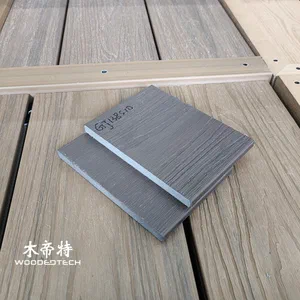 3.6m Composite Decking Boards for Long Lasting Outdoor Deck Projects
Related Products
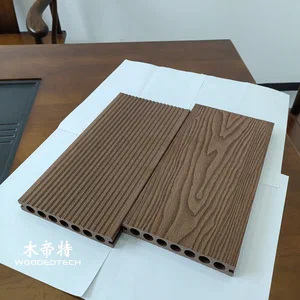 3D15023 First Generation 3D Embossed Composite Deck Boards With Stable Quality And High Performance For Premium Outdoor Projects
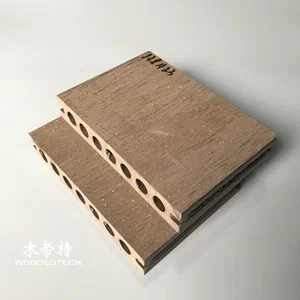 D13823 Round Hole Double Sided Flat WPC Bamboo Decking Boards With Strong Quality And Various Wood Grain Surface Treatments
 WPC Wall Panel Accessories Offer Complete Solutions with Various Common and Specialized Installation Parts