
4.8 Meter Composite Decking Boards Provide Long Board Options for Professional Outdoor Installations

The outdoor WPC extrusion process involves several crucial steps to produce high-quality composite decking boards, specifically the 4.8-meter options that cater to professional installations. These boards combine wood fibers and plastic, delivering durability and aesthetic appeal suitable for outdoor use. Understanding the intricate details of the extrusion process is essential for ensuring product consistency and performance.
Material Mixing and Pelletizing
The process starts with the careful mixing of wood flour, thermoplastics, additives, and colorants. The choice of materials greatly influences the final product’s properties. Once the ingredients are thoroughly mixed, they undergo pelletizing. This transformation into pellets makes handling and feeding into the extruder more efficient. Proper control of mixing ratios is vital, as it affects strength, flexibility, and resistance to environmental factors.
Extrusion Temperature Control
Extrusion temperature control is critical for achieving the desired consistency and quality of the WPC material. The extruder’s temperature settings must be monitored closely, typically ranging from 160°C to 210°C, depending on the specific formulation. Maintaining optimal temperatures allows for proper melting and mixing of materials, preventing degradation of the wood fibers and ensuring a smooth flow through the die.
Mold Design and Cooling Calibration
Mold design plays a significant role in shaping the final product. For 4.8-meter decking boards, molds need to be precise and durable to withstand high pressure during extrusion. After passing through the mold, the boards enter a cooling calibration system. This stage is essential for setting the final shape and dimensions. Effective cooling prevents warping and ensures the boards maintain their structural integrity.

Surface Treatment
Surface treatment enhances the aesthetics and performance of the decking boards. Various techniques, including embossing and coating, can be applied to increase slip resistance and UV protection. These treatments not only improve the visual appeal but also extend the lifespan of the product in harsh outdoor conditions.
Common Production Problems
Despite advanced technology, several common production issues can arise. These include:
- Inconsistent material mixing, leading to weak spots in the boards.
- Temperature fluctuations during extrusion, resulting in poor surface finish or material degradation.
- Molding defects such as warping or dimensional inaccuracies.
- Inadequate cooling, which can cause curling or distortion in the final product.
Addressing these challenges requires careful monitoring and adjustments throughout the production process to ensure high-quality outcomes.
FAQ
Q: What materials are used in WPC decking production?
A: WPC decking is primarily made from a mixture of wood fibers, thermoplastics, additives, and colorants.
Q: How is the quality of WPC decking ensured during production?
A: Quality is maintained through precise temperature control, consistent material mixing, and thorough cooling calibration.
Q: What are the benefits of surface treatment for WPC decking?
A: Surface treatments enhance slip resistance, UV protection, and overall aesthetic appeal, extending the product’s lifecycle.
Related Articles
 Wood Plastic Composite Decking Manufacturer Provides Durable Outdoor Flooring Solutions for Global Markets
 Disadvantages Of Composite Decking Help Buyers Better Understand Product Features and Limitations
 Picture Frame Composite Deck Creates Elegant Border Designs for Premium Outdoor Flooring Projects
 Composite Decking Made Of Recycled Materials Provides Eco Friendly Solutions for Modern Outdoor Spaces
Related Products
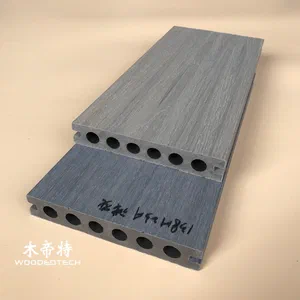 GD13823 Composite Decking Material Features Six Small Round Holes to Reduce Weight While Maintaining Structural Strength
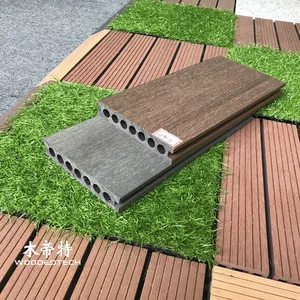 GD13823-2 Wood Versus Composite Decking Features Seven Round Holes with Wood Grain and Brushed Textures on Opposite Sides
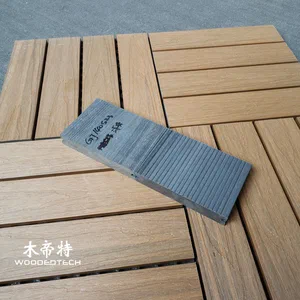 GD14023S Composite Deck Materials Feature a Solid Structure and Side Grooves for Better Adaptability in Extremely Cold Climates