
3d wpc wall panel design creates modern outdoor walls with realistic decorative surface effects
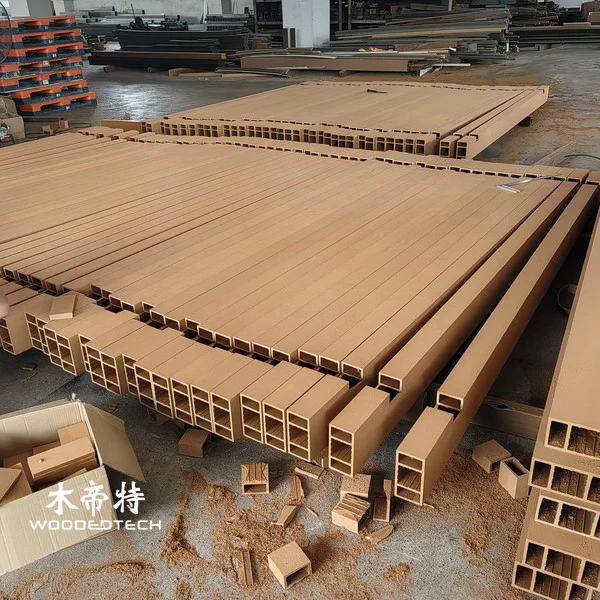
3D WPC wall panel design is reshaping modern outdoor walls with realistic decorative surface effects that look refined and stay practical. For architects, contractors, and landscape designers, it offers a clean way to add depth, texture, and a premium wood-grain feel without the upkeep of natural timber.
Why 3D wall panels are leading outdoor design

Outdoor spaces are moving away from flat, plain surfaces and toward layered visual detail. A 3D WPC wall panel creates shadow, rhythm, and movement on an exterior wall, turning a simple boundary or facade into a design feature.
The appeal is not only visual. WPC materials are built for weather exposure, making them a strong choice for projects that need long-term stability, moisture resistance, and low maintenance. That is why they are increasingly used across villas, courtyards, resort walls, garden enclosures, and commercial landscape zones.
Colors, textures, and profiles that feel current
Modern composite design favors natural tones with subtle contrast. Popular choices include warm teak, soft grey, charcoal, and sand beige, because they work well with stone, metal, concrete, and glass.
Texture matters just as much as color. Deep embossed surfaces, fluted lines, and wood-like grain patterns help a wall look more architectural and less industrial. In wall cladding, these details create a realistic decorative effect while keeping the product uniform and easy to install.
Profile selection also shapes the final result. Narrow slats, wide boards, curved edges, and layered relief patterns can all change how light moves across the wall during the day. That is what gives modern outdoor surfaces their premium look.
Extending the same design language across outdoor products
The strongest outdoor projects use one coordinated material theme. A 3D wall panel can be matched with composite decking, fences, pergolas, gazebos, and landscape products to create a consistent outdoor identity.
For example:
- decking in similar tones helps connect indoor and outdoor zones
- privacy fences with matching textures keep the space visually unified
- pergola beams and gazebo trims add structure without looking heavy
- planter boxes, benches, and screens complete the landscape with the same design language
This modular approach is useful for developers and project buyers because it simplifies sourcing and keeps the site design coherent.
Modular systems make installation and upgrades easier
Modern outdoor design also depends on flexibility. Modular WPC panels and related products are easier to cut, align, replace, and expand than traditional materials. That matters on large projects where walls, columns, screens, and decorative zones must fit different dimensions.
For custom builds, modular profiles can be used to create vertical walls, accent panels, privacy partitions, and feature facades with less installation complexity. They also support faster project turnaround and cleaner finishing results.
FAQ
Q: What makes a 3D WPC wall panel different from a flat wall panel? A: The 3D surface adds depth, texture, and shadow effects, which makes outdoor walls look more decorative and architectural. It also helps hide minor surface irregularities better than a flat panel.
Q: Can 3D WPC wall panels be used with decking and fences? A: Yes, they are often paired with composite decking, fences, pergolas, and gazebos for a unified outdoor design. Matching colors and textures creates a more polished landscape.
Q: Are 3D WPC wall panels suitable for outdoor weather conditions? A: They are designed for exterior use and perform well in moisture, sun, and changing temperatures. Their low-maintenance surface makes them practical for long-term outdoor projects.
Related Articles
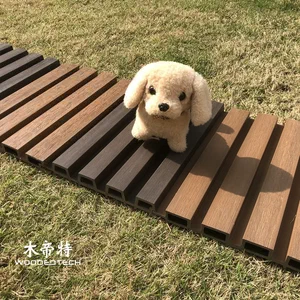 Modern 3D Wall Panel Decor & Innovative Interior Design Ideas
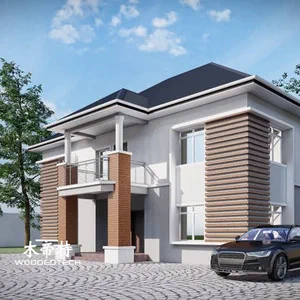 wpc decking floor offers durable and attractive solutions for gardens balconies and outdoor areas
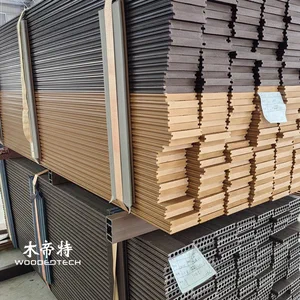 Weatherproof WPC Panel for Balcony & Outdoor Spaces
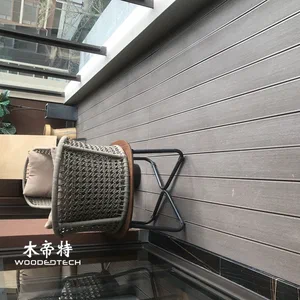 outdoor 3d wall panels create attractive textured walls with modern architectural appearance
Related Products
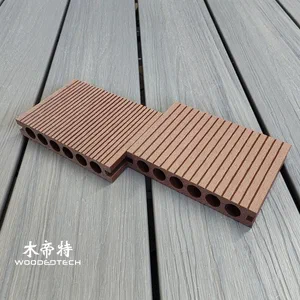 D14025-5 First Generation Large And Small Groove Redwood Color WPC Panel Material With Popular Outdoor Appearance
 B14011 WPC Paneling Sheets Feature Double Flat Surfaces with Heat Pressed Wood Grain Designs for Outdoor Styles
 3D14520.5wpc exterior wall paneling with 3D embossed surface design creates stylish outdoor building facade solutions