
3d embossed decking creates realistic wood texture surfaces for premium outdoor flooring designs

3D embossed decking brings a deeper, more realistic wood look to premium outdoor flooring, making terraces, pool decks, and hospitality spaces feel warmer and more refined. For modern projects, it pairs visual texture with WPC durability, creating surfaces that look natural while handling weather, wear, and daily foot traffic.
Why 3D embossed surfaces are shaping premium decking
Designers are moving beyond flat, uniform boards. 3D embossed composite decking adds a tactile grain that catches light differently across the surface, which helps reduce the “plastic” look often associated with older outdoor flooring materials. This makes it a strong choice for projects that need a luxury finish without sacrificing low maintenance performance.

The same design language is influencing matching outdoor systems such as wall panels, fences, pergolas, gazebos, and landscape features. When these elements share similar tones and textures, the whole space feels planned rather than pieced together.
Color, texture, and profile choices that improve outdoor spaces
Modern outdoor design leans toward natural shades with a cleaner, architectural finish. Warm teak, coffee, ash gray, and deep walnut remain popular because they balance easily with stone, metal, glass, and planting. Lighter colors can open up small courtyards, while darker tones create contrast and a more premium frame around seating and circulation areas.
Texture matters just as much as color. Embossed grain, brushed surfaces, and co-extrusion finishes can soften glare and add visual depth. Profiles also shape the final result:
- Grooved boards for clearer lines and slip confidence
- Solid profiles for a more substantial, upscale feel
- Hidden-fastener-compatible boards for a cleaner deck surface
- Matching trims and edge pieces for a finished architectural look
These details help outdoor flooring feel intentional, not generic.
Modular design for decks, walls, fences, and garden structures
Modular WPC systems are becoming essential in both residential and commercial outdoor design. A deck board line can be carried into composite wall cladding, privacy fences, pergolas, and gazebo panels to create a unified style across the site. This is especially useful for cafés, resorts, rooftop terraces, and landscaped public spaces that need fast installation and consistent branding.
Modular products also support flexible planning. Sectional fence panels, interlocking deck tiles, and custom-sized pergola components make it easier to build around corners, steps, planter zones, and seating areas. For landscape products, that means better visual rhythm and easier maintenance over time.
3D embossed decking fits this trend well because it delivers a realistic timber appearance while staying stable in outdoor conditions. Combined with matching outdoor WPC products, it helps designers create calm, modern environments with strong texture, balanced proportions, and long-term performance.
FAQ
Q: What makes 3D embossed decking different from standard WPC decking? A: It has a deeper surface grain that looks and feels closer to real wood. The added texture improves visual richness and helps premium outdoor spaces stand out.
Q: Can 3D embossed decking be matched with wall panels and fencing? A: Yes, matching colors and wood-grain textures across decking, wall panels, and fences creates a coordinated outdoor design. This is a common choice for modern villas, hotels, and commercial terraces.
Q: Is 3D embossed decking suitable for modular outdoor projects? A: Yes, it works well with modular systems because it can be paired with standard profiles, trims, and accessory components. That makes planning and installation more efficient.
Related Articles
 coffee composite decking creates warm natural looking outdoor spaces with modern wood plastic materials
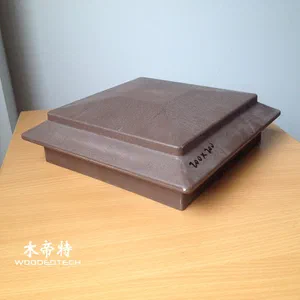 3d composite decking creates realistic wood grain surfaces for premium outdoor spaces
 decking composite colours provide multiple design choices for different outdoor landscape styles
 wood wall panel plastic combines decorative wood effects with moisture resistant outdoor performance
Related Products
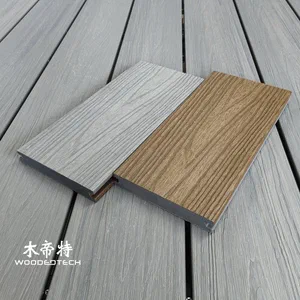 Second Generation Two Color Co Extruded 3D Embossed 3DGD14023S Composite Wood Deck Boards Feature an Extremely Realistic Antique Wood and Teak Grain Texture
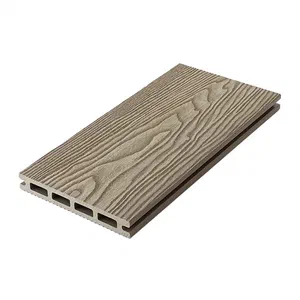 3D14521.5 First Generation 3D Embossed Plastic Wood Decking Boards Combine Realistic Three Dimensional Texture with Long Lasting Outdoor Performance
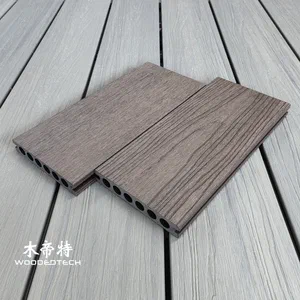 3DGD13823 Second Generation 3D Embossed Rosewood Composite Balcony Decking Delivers Ultra Realistic Wood Grain Texture and a Premium Natural Wood Experience