
2023 Composite Decking Materials Comparison: Key Insights for Industrial Buyers
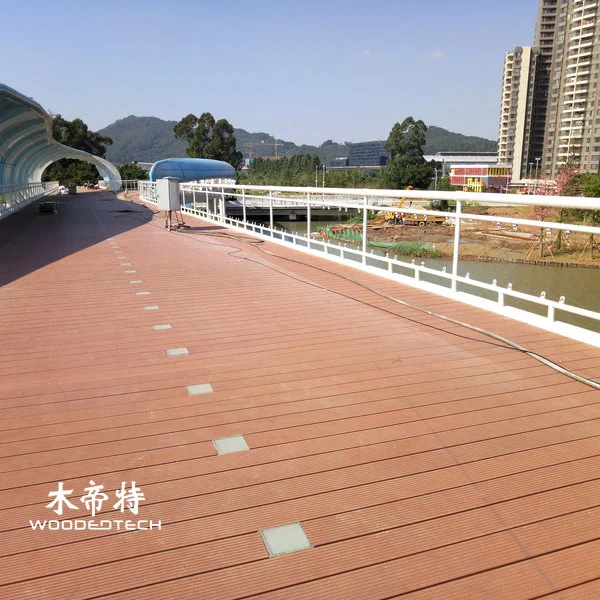
Wood Plastic Composite (WPC) products are gaining traction for outdoor applications due to their durability and weather resistance. The quality of these products depends heavily on the materials used, including wood powder, HDPE/PVC polymers, additives, pigments, and modifiers. Understanding how each component affects performance can help industrial buyers make informed decisions.
Key Material Components
Wood Powder
Wood powder serves as the primary organic filler in WPCs. The quality and type of wood powder directly influence the mechanical properties of the final product. High-quality wood powder enhances the composite’s strength and rigidity, while finer particles contribute to a smoother finish. It’s important to inspect for uniformity in particle size and to ensure that the wood powder is free from contaminants like dirt and mold, which can compromise durability.
HDPE/PVC Polymers
The choice between HDPE (High-Density Polyethylene) and PVC (Polyvinyl Chloride) affects the WPC’s overall performance. HDPE is known for its flexibility and resistance to impact, making it suitable for applications that require durability and weather resistance. PVC, on the other hand, offers superior resistance to moisture and is less prone to degradation. Proper inspection methods include assessing the melt flow index, which indicates the polymer’s processing characteristics and flow behavior during production.
Additives
Additives play a crucial role in enhancing the properties of WPCs. They can improve UV resistance, antimicrobial properties, and fire retardancy. Common additives include stabilizers, lubricants, and anti-oxidants. Quality control measures should be in place to ensure that additives are mixed thoroughly and in the correct proportions. A batch sample testing for performance characteristics like UV resistance and flame spread can help assess the effectiveness of these additives.
Pigments
Pigments are used to enhance the aesthetic appeal of WPC products. However, they can also affect the composite’s weather resistance and fade over time. High-quality pigments should be UV-stable and non-toxic. Factory inspection should include color consistency checks and fade resistance tests, which can be performed through accelerated weathering tests to simulate long-term exposure to sunlight.
Modifiers
Modifiers, such as coupling agents, improve the bond between wood fibers and plastic matrices, enhancing overall composite strength. The selection of modifiers can greatly influence water absorption and the dimensional stability of the product. Regular testing for water absorption rates and dimensional changes after environmental exposure is essential to ensure long-term performance.
Factory Inspection Methods
Quality control in WPC manufacturing involves several practical inspection methods. Each batch of raw materials should undergo rigorous testing before production.

- Visual Inspection: Check for impurities in wood powder and ensure that polymers meet industry standards.
- Moisture Content Testing: Conduct moisture content tests for wood powder to prevent issues like swelling or shrinkage in the final product.
- Mechanical Testing: Perform tensile and flexural strength tests to assess the mechanical properties of the composite.
- Environmental Testing: Use accelerated aging tests to evaluate UV resistance and weatherability.
Quality Standards
Adhering to internationally recognized quality standards is critical for ensuring the durability and performance of WPC products. Standards such as ASTM D7031 for wood-plastic composites provide guidelines for evaluating product performance, while ISO 9001 ensures that quality management systems are in place throughout the manufacturing process.
By implementing robust quality control measures and understanding the impact of each material on performance, manufacturers can produce high-quality outdoor WPC products that meet the demands of industrial buyers. This attention to detail not only enhances the product’s lifespan but also ensures customer satisfaction in the increasingly competitive WPC market.
Related Articles
 Effective Solutions for Composite Deck Hole Filler: Enhance Durability in 2023
 Innovative WPC Panel for Gate Solutions: Enhancing Durability in 2023
 WPC Wooden Decking Combines Natural Wood Appearance With Modern Composite Material Advantages
 Composite Deck Cost vs Wood: A Comparative Analysis for Industrial Buyers in 2023
Related Products
 GD13820 M Shape Co Extruded Composite Deck Planks Feature a Special Profile Design for Distinctive Outdoor Decking Applications
 GD13823 Double Sided Flat Surface Co Extruded WPC Decking Features a Popular Width and Thickness with Round Hollow Structure
 GD13823-3 Composite Boards for Decking Are Available in Multiple Stock Colors with 3 Meter Lengths and Single Piece Delivery