
2 Inch Thick Composite Boards - Enhanced Structural Profiles for Underlayment
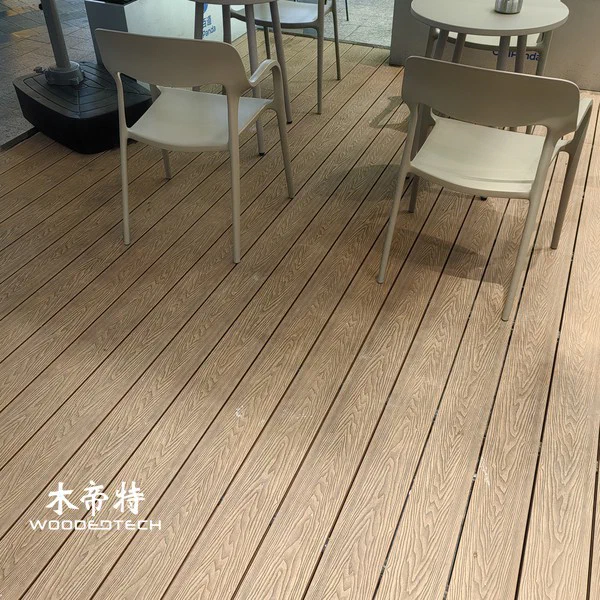
2 Inch Thick Composite Boards are engineered for applications that need more depth, stronger load-bearing performance, and stable support beneath finished surfaces. For underlayment and structural profile use, they offer a practical balance of rigidity, moisture resistance, and long service life in demanding commercial environments.
Why Thickness Matters in Underlayment
When a project calls for dependable substructure support, board thickness is not just a specification; it affects span control, deflection resistance, and overall installation quality. A 2 inch thick composite board gives installers a more robust profile for leveling bases, spreading loads, and improving dimensional stability under heavy foot traffic or equipment.
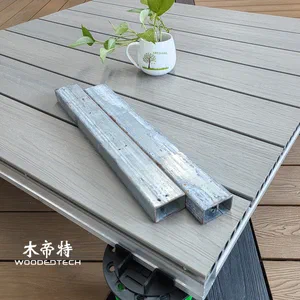
These boards are commonly used in industrial flooring systems, raised platforms, outdoor decks, and façade support applications where standard panels may not provide enough body. Their composite construction helps reduce common problems associated with wood, such as swelling, rot, splitting, and insect damage, while maintaining a cleaner and more uniform finished result.
Performance Benefits for B2B Projects

Typical benefits include:
- Better load distribution for underlayment and support layers
- Improved resistance to water absorption and weather exposure
- Reduced maintenance compared with timber alternatives
- Stable sizing for easier cutting, fitting, and installation
- Compatibility with custom composite extrusion profile requirements
In many projects, these boards are selected not only for strength but also for long-term cost control. Fewer callbacks, less replacement work, and lower maintenance demands can make them a practical option for warehouses, outdoor walkways, public facilities, and modular construction systems.
Material and Supply Considerations
The right board should match the project environment. Solid composite sections are often preferred when higher structural integrity is needed, while grooved or customized profiles may suit specific installation methods. Buyers should also confirm surface treatment, UV resistance, and load requirements before placing bulk orders.
For international sourcing, working with an experienced wood plastic composite decking manufacturer or OEM wood plastic composite supplier helps ensure consistent dimensions, packaging, and export-ready documentation. If the boards will be used as part of a larger system, coordination with decking composite boards, joists, or wall panel components can improve installation efficiency.
FAQ
Q: Are 2 inch thick composite boards suitable for underlayment? A: Yes, they are often used where extra rigidity and load support are needed. They work well in commercial and outdoor systems that require a stable base.
Q: Can these boards be customized for different project specs? A: Yes, many manufacturers offer custom composite extrusion profile options for size, density, and finish. This is useful for OEM and contract supply projects.
Q: Do composite boards need much maintenance? A: No, they generally require far less maintenance than wood. Routine cleaning is usually enough for most commercial applications.
Related Articles
Related Products
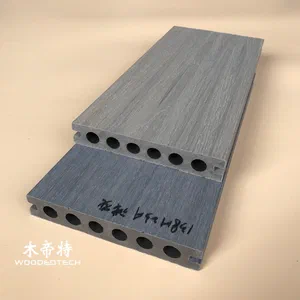 GD13823 Composite Decking Material Features Six Small Round Holes to Reduce Weight While Maintaining Structural Strength
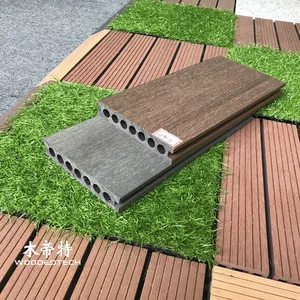 GD13823-2 Wood Versus Composite Decking Features Seven Round Holes with Wood Grain and Brushed Textures on Opposite Sides
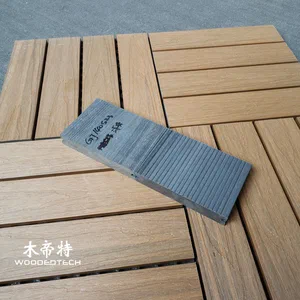 GD14023S Composite Deck Materials Feature a Solid Structure and Side Grooves for Better Adaptability in Extremely Cold Climates