
1x8 composite decking provides a versatile board size for residential and commercial deck projects
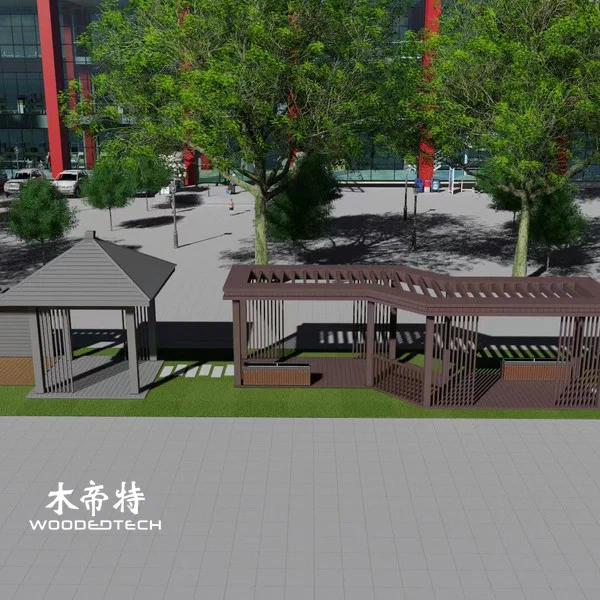
1x8 composite decking is a practical board size for residential patios, apartment terraces, retail walkways, and other outdoor spaces that need a balance of strength, appearance, and easy installation. Its performance is shaped not only by the board dimensions, but also by the internal profile, rib layout, and surface finish used in the WPC extrusion mold.
How profile design affects performance
In WPC extrusion, the profile design decides how the board behaves under load and how much material it uses. A wider 1x8 board gives a clean, modern look and covers more area per piece, but the mold must control wall thickness and edge geometry carefully to prevent warping, sagging, or uneven cooling.
Hollow structures reduce weight and raw material consumption, which lowers shipping and handling costs. They are a strong choice for many residential decks and elevated platforms, especially when the span is supported correctly. Solid structures add mass and stiffness, making them better for heavy traffic zones, commercial boardwalks, stair treads, and areas where impact resistance matters more than weight savings.
Rib design, strength, and installation
Internal ribs are one of the most important parts of an extrusion mold because they improve stiffness without turning the board into a solid, heavy profile. Proper rib spacing helps distribute load, reduces deflection, and supports screw holding during fastening. If ribs are too thin, the board may flex too much; if they are too dense, the profile becomes harder to extrude and more costly to produce.
For installers, the profile should also allow consistent clip engagement and clean alignment. A well-designed rib structure helps the board sit flatter on joists, which reduces noise, movement, and installation time. This is especially useful on long runs where dimensional consistency affects the final deck finish.
Surface patterns and commercial value
Surface design influences both appearance and real-world use. Smooth finishes are easier to clean, while embossed wood-grain or brushed textures provide better slip resistance and a more premium look. For commercial projects, a deeper pattern can hide wear and light scratches, while residential clients often prefer a softer grain that looks like natural timber.

Surface patterns also affect mold release and cooling. If the texture is too aggressive, it can increase manufacturing difficulty and sometimes trap residue during production. A balanced pattern gives the board visual depth without compromising consistency or cost control.
Choosing the right structure for the project
The best 1x8 composite decking profile depends on the project goal:
- Hollow boards for lighter weight and lower material cost
- Solid boards for high-load, high-traffic, or heavy-duty use
- Ribbed designs for better stiffness and efficient material use
- Textured surfaces for slip resistance and better visual appeal
For buyers, the right extrusion design can reduce total project cost by improving packing density, lowering labor time, and extending service life. For manufacturers, careful mold engineering is what turns a standard board size into a reliable decking product that performs well in both residential and commercial settings.
FAQ
Q: Why is a 1x8 composite decking board considered versatile? A: It offers a broad surface area for faster coverage while still staying manageable for transport and installation. The size works well for both private decks and commercial outdoor spaces.
Q: Are hollow composite decking boards strong enough for outdoor use? A: Yes, when the profile is properly engineered and installed on the correct joist spacing. Hollow boards save weight and cost, but they still need a stable support system.
Q: Do surface patterns affect decking durability? A: Yes, texture can improve slip resistance and help mask everyday wear. The mold design must balance appearance with clean extrusion and easy maintenance.
Related Articles
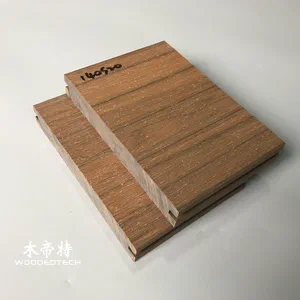 wood plastic composite 4x4 offers strong structural support for outdoor landscaping applications
 WPC hollow decking offers lightweight outdoor flooring solutions with customizable surface textures
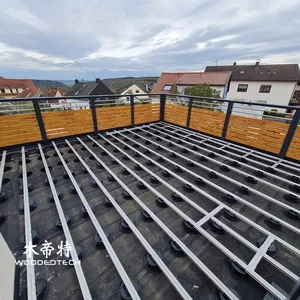 buy wpc decking plank from a professional manufacturer for customized outdoor decking solutions
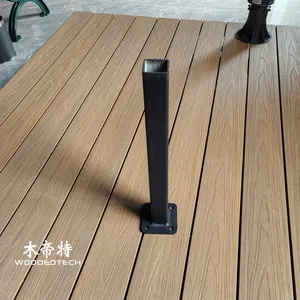 composite decking framework provides a stable foundation system for outdoor deck installation
Related Products
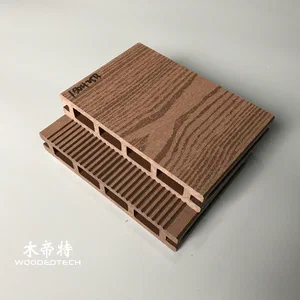 D15025-2 Classic Waterproof Insect Resistant Corrosion Resistant And Termite Resistant Composite Decking Types With Twenty Years Of Sales Experience
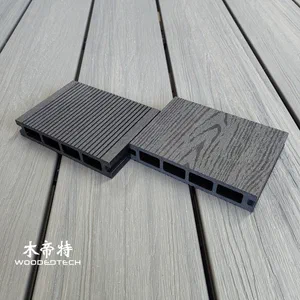 D14025-4 WPC Decking Boards Feature a Flat Wood Grain Surface with Black Ebony Heartwood Ring Grain for Outdoor Applications
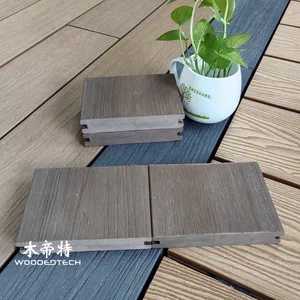 GD14025S Capped WPC Provides a Solid Board Structure for Better Load Bearing Performance and Reduced Space for Insects Inside the Board