
1x6 plastic lumber offers versatile solutions for outdoor construction and landscaping projects
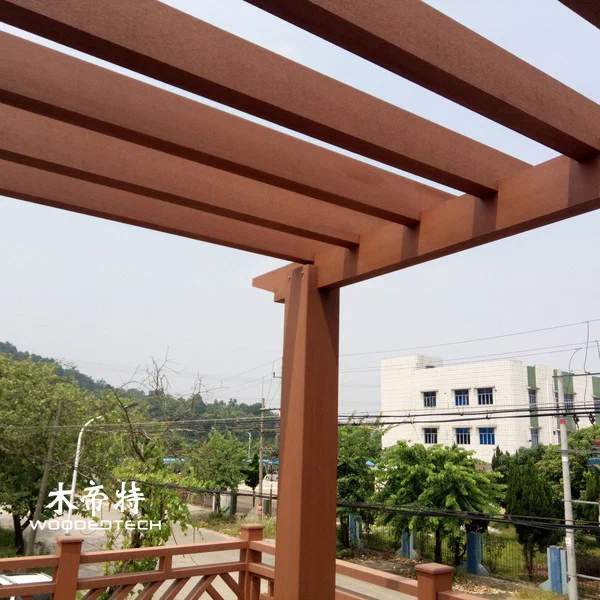
1x6 plastic lumber is a practical material choice for outdoor construction and landscaping because it combines the look of wood with better moisture resistance, lower maintenance, and more stable long-term performance. For decking, wall cladding, fencing, pergolas, and landscape products, the right WPC formulation determines whether the profile stays durable, cost-effective, and suitable for real outdoor use.
How to build the right WPC formula
A high-performance outdoor formula starts with the product’s job, not a generic recipe. A decking board needs better wear resistance and slip performance, while a fence or pergola profile may prioritize stiffness, dimensional stability, and weathering resistance. That is why the same 1x6 plastic lumber concept can be tuned into different grades for different outdoor applications.
Wood fiber content usually sits at the center of the design. Higher wood loading can improve stiffness and lower material cost, but it also raises water uptake risk and can reduce processability if the fiber is too coarse or poorly treated. For outdoor products, the balance often works best when wood fibers are dry, fine, and well coupled to the plastic matrix with an effective compatibilizer.
Plastic ratio, additives, and service life
The plastic phase controls toughness, moisture resistance, and extrusion stability. PE-based systems are common for exterior products because they offer good durability and processing flexibility, while PP can raise heat resistance in certain profiles. Too much plastic can increase cost and make the board feel less rigid, but too little can hurt impact strength and weather performance.
Additives are where outdoor performance is won or lost. A solid exterior formula typically includes:
- compatibilizer for fiber-plastic bonding
- UV stabilizer to slow fading and surface embrittlement
- antioxidants for thermal protection during extrusion
- lubricant package for smoother processing
- pigment or cap layer for color retention
- anti-fungal or anti-mildew support where climate demands it
For decking and other exposed surfaces, surface treatment matters as much as bulk composition. Embossing, co-extrusion, or a capped layer can improve scratch resistance, stain resistance, and lifespan without making the whole profile expensive.
Cost control without sacrificing quality
Cost control should come from formulation efficiency, not from simply cutting additive levels. Use locally available recycled plastic where supply is stable, but keep strict control over contamination and melt flow. Match fiber size, moisture content, and resin viscosity to the extrusion line so you reduce scrap, bubbles, and warpage.
For landscape products such as planters, benches, and edging, lower-load formulas may be acceptable if the product sees less structural demand. For fencing, pergolas, and cladding, a slightly higher resin or capped construction often pays back through fewer claims and longer service life.

Matching performance to application
Decking needs wear resistance, anti-slip texture, and strong UV stability. Wall cladding benefits from color consistency, flatness, and easy installation. Fencing and pergolas need stiffness, screw-holding balance, and low creep under heat. Landscape products should focus on appearance retention, impact resistance, and economical production.
The best 1x6 plastic lumber formula is the one that fits the end use, local climate, and target price. A well-engineered WPC profile can deliver reliable outdoor performance while keeping manufacturing costs under control.
FAQ
Q: What wood fiber content is best for outdoor WPC products? A: Many exterior formulas perform well in a mid-range fiber loading, where stiffness and cost are balanced against moisture resistance. The exact level depends on whether the product is a deck board, fence, cladding, or pergola profile.
Q: Why are additives so important in plastic lumber for outdoor use? A: Outdoor additives protect the material from UV damage, heat aging, processing stress, and surface wear. Without the right package, even a good base formula can fade, crack, or warp too early.
Q: Is capped or co-extruded WPC worth the extra cost? A: For high-exposure products like decking and cladding, it often is because the surface keeps its color and resists stains better. That usually extends service life and lowers replacement risk.
Related Articles
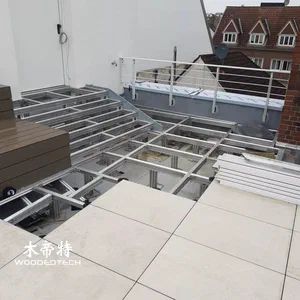 2x6 composite decking provides a practical size option for residential and commercial outdoor decks
 Non-Slip Composite Decking for Outdoor Flooring
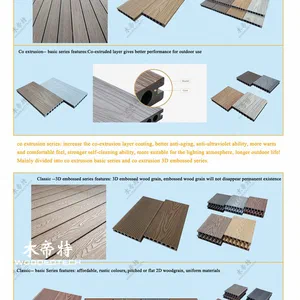 What frame do you use for composite decking with proper support for long lasting installation
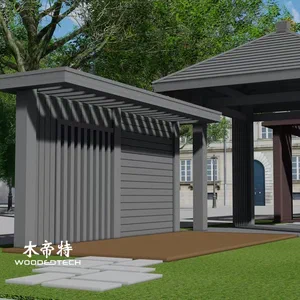 Composite wood decking installation provides step by step solutions for building beautiful outdoor decks
Related Products
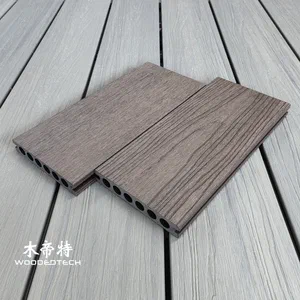 3DGD13823 Second Generation 3D Embossed Rosewood Composite Balcony Decking Delivers Ultra Realistic Wood Grain Texture and a Premium Natural Wood Experience
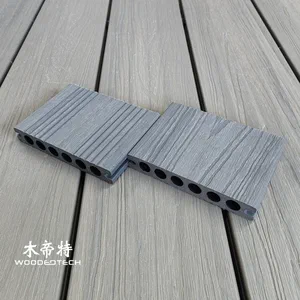 GD13823-3 Light Grey Premium Co Extrusion WPC Composite Decking Offers LG Texture and Excellent UV Resistance for Outdoor Spaces
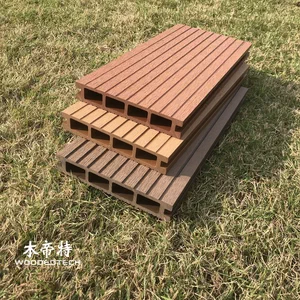 D14025-3 Square Hole Double Sided Grooved WPC Board Factory Producing Outdoor Decking Boards With Good Slip Resistance