
14' Composite Deck Boards Provide Long Length Options for Large Outdoor Decking Installations

Composite deck boards, especially in the 14-foot length category, provide an ideal solution for large outdoor decking installations. These boards not only enhance the aesthetics of outdoor spaces but also offer significant benefits in terms of strength, weight, cost-effectiveness, and installation efficiency. Understanding the intricacies of WPC profile designs—including hollow and solid structures, rib designs, and surface patterns—can help optimize these advantages.
Influence of Profile Design on Strength and Weight
The profile design of WPC decking plays a crucial role in determining its strength and weight. Hollow structures are typically lighter than solid ones, making them easier to handle and install. However, solid profiles offer superior strength, making them suitable for high-traffic areas. Rib designs can reinforce hollow structures, allowing them to maintain strength while reducing weight. This balance is essential for large deck installations, where weight considerations can impact structural integrity.
Cost Implications of Different Designs
Cost is a significant factor in any construction project, and WPC decking is no exception. Hollow profiles generally come at a lower price point due to less material use. However, opting for solid structures or advanced rib designs can lead to higher upfront costs but may result in long-term savings through enhanced durability and lower maintenance requirements. The choice between these designs often depends on the specific needs of the project and the intended use of the deck.
Installation Performance Considerations
The installation performance of composite deck boards is influenced by their design features. Longer boards, such as the 14-foot options, can minimize the number of seams and joints, leading to faster installation times and a more seamless appearance. Surface patterns also play a role; textured surfaces can improve grip and reduce slip hazards, enhancing safety during installation and use. Furthermore, the ease of alignment and fastening of different profiles can streamline the installation process, making it more efficient.

Conclusion
In summary, the design of WPC profile components—hollow versus solid structures, rib designs, and surface patterns—significantly influences the overall effectiveness of composite deck boards in large outdoor installations. By carefully considering these factors, builders and designers can select the most suitable decking options that align with their project requirements, ensuring an optimal balance of strength, cost, and installation performance.
FAQ
Q: What are the advantages of using hollow composite deck boards?
A: Hollow composite deck boards are lightweight, making them easier to handle and install, while also being cost-effective due to reduced material usage.
Q: How do rib designs enhance the performance of composite decking?
A: Rib designs provide additional strength and stability to hollow structures, allowing them to support heavy loads without compromising on weight.
Q: Why is the surface pattern important for composite decking?
A: Surface patterns improve traction, reducing slip hazards and enhancing safety, which is particularly important for outdoor installations.
Related Articles
 Composite Decking 5 Metre Lengths Provide Seamless Installation Options for Large Outdoor Areas
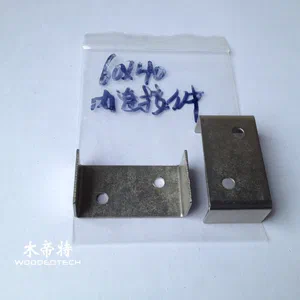 Composite Decking 4.2m Lengths for Efficient Outdoor Deck Installation
 Composite Deck Nosing Provides Professional Edge Finishing Solutions for Outdoor Decking Projects
 0.5 Composite Deck Board Provides a Compact Profile Choice for Specific Outdoor Flooring Designs
Related Products
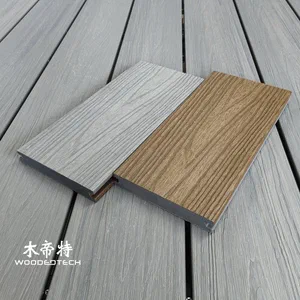 Second Generation Two Color Co Extruded 3D Embossed 3DGD14023S Composite Wood Deck Boards Feature an Extremely Realistic Antique Wood and Teak Grain Texture
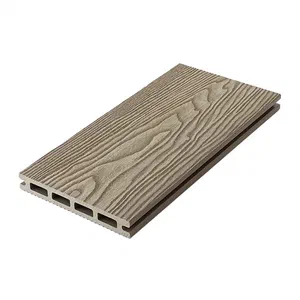 3D14521.5 First Generation 3D Embossed Plastic Wood Decking Boards Combine Realistic Three Dimensional Texture with Long Lasting Outdoor Performance
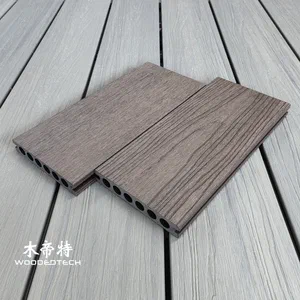 3DGD13823 Second Generation 3D Embossed Rosewood Composite Balcony Decking Delivers Ultra Realistic Wood Grain Texture and a Premium Natural Wood Experience