
10 x 16 composite deck cost depends on design materials and installation requirements
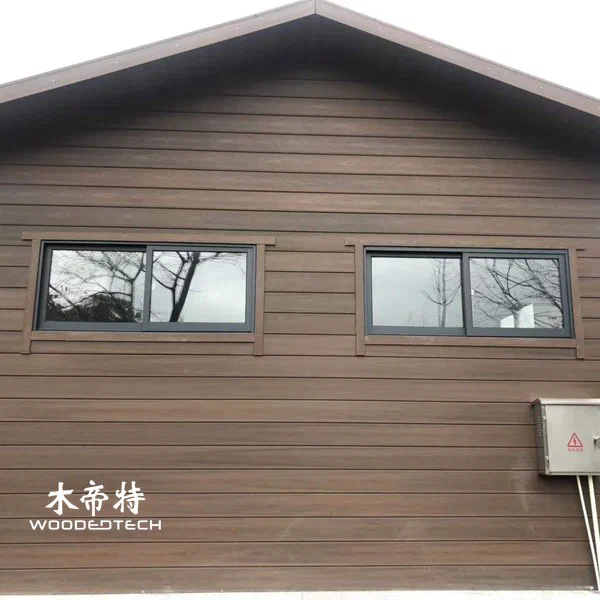
A 10 x 16 composite deck cost depends on the board profile, substructure, railing, stairs, and how complex the installation is. For buyers comparing outdoor WPC with natural wood, traditional timber, aluminum, and other exterior materials, the real question is not only upfront price but how much the deck will cost to own over 10 to 20 years.
What drives the price of a 10 x 16 composite deck
A 10 x 16 deck covers 160 square feet, so the material choice matters immediately. Basic composite deck boards, concealed fasteners, framing, fascia, and trim can push the project far beyond the board price alone. If the design includes multiple levels, picture framing, built-in benches, railings, or stairs, labor and accessory costs rise quickly.
WPC decking usually costs more than pressure-treated wood at the start, but less than many premium hardwoods and often less than aluminum deck systems once fabrication and installation are included. For straightforward layouts, composite deck cost is easier to predict because the material is consistent and does not require staining or sealing.
Outdoor WPC vs natural wood and traditional timber
Natural wood has a lower entry price, but it needs regular care to stay attractive. Staining, sealing, sanding, and board replacement are part of the long-term budget, especially in wet or sunny climates. Traditional timber offers a classic look and a warmer feel underfoot, but it is still vulnerable to rot, insects, splintering, and warping.
Outdoor WPC gives the look of wood with better dimensional stability. It does not absorb moisture the same way timber does, which reduces cracking and decay. The trade-off is that composite boards can run hotter in direct sun and may show surface scratches differently than real wood. For many commercial and residential buyers, the lower maintenance load offsets the higher purchase price.
WPC compared with aluminum and other exterior materials
Aluminum decking is highly durable, lightweight, and fire resistant, but it has a more industrial appearance and can be noisy underfoot. It is often used where long-span performance or strict durability is the priority. The material and fabrication costs are usually higher than standard composite, which makes it less common for a typical 10 x 16 backyard deck.

Other exterior options include PVC, stone, concrete pavers, and tiled systems. PVC can be very low maintenance, but it may look less natural and can feel less rigid in some applications. Stone and concrete are strong and long-lasting, yet they require a heavier substructure and more site preparation, which increases installation cost. Composite sits in the middle: natural-looking, practical, and easier to install than masonry-based alternatives.
Maintenance and lifecycle cost
The biggest advantage of WPC is predictable upkeep. Basic cleaning with water and mild detergent is usually enough. There is no need for annual staining, and routine maintenance is limited to checking fasteners, drainage, and frame condition.
- Natural wood: lower initial cost, higher ongoing maintenance
- Timber: moderate cost, moderate to high maintenance
- Aluminum: high initial cost, low maintenance
- WPC: mid-to-high initial cost, low maintenance
- Stone or concrete: high installation cost, very low surface maintenance
Over time, composite decking often delivers better lifecycle value because it avoids repeated finishing work and reduces replacement frequency. For a 10 x 16 project, that can make the total cost easier to control.
FAQ
Q: Is composite decking more expensive than wood for a 10 x 16 deck? A: Usually yes at the start, but it often becomes more economical over time because it needs far less maintenance and fewer repairs.
Q: Which exterior deck material lasts the longest? A: Aluminum and well-installed composite decks both offer long service life. Composite is usually preferred when buyers want a wood-like appearance without regular refinishing.
Q: What has the lowest lifecycle cost? A: It depends on climate and use, but composite often wins for homeowners who want a balanced mix of durability, appearance, and low upkeep.
Related Articles
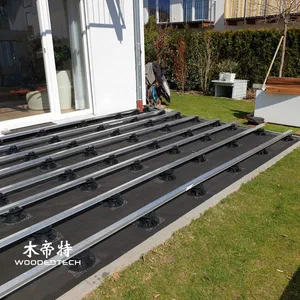 quality composite decking delivers reliable outdoor flooring solutions with long lasting performance
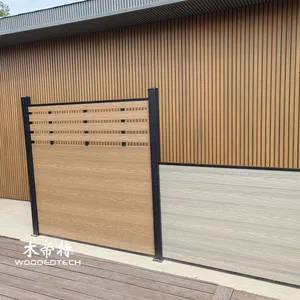 Fake Wood Deck Cost Compared with Traditional Wood Decking Solutions
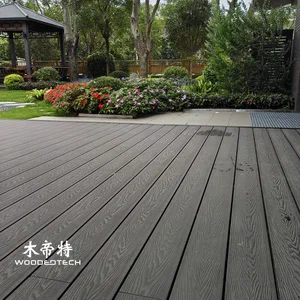 WPC Decking Materials for Strong Low Maintenance Outdoor Decking Solutions
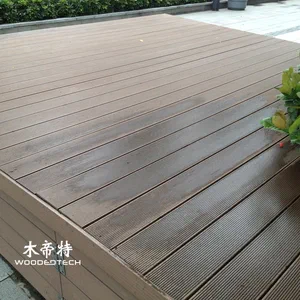 ground level composite deck provides a comfortable outdoor space with easy maintenance benefits
Related Products
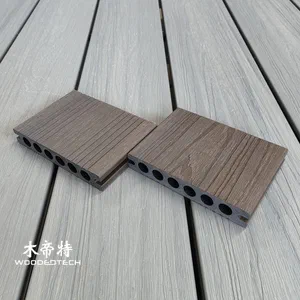 Purple Sandalwood GD13823-3 Co Extruded WPC Outdoor Decks with Round Holes Are Available in Stock in 3 Meter Lengths Year Round
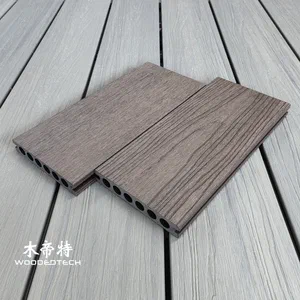 3DGD13823 Second Generation 3D Embossed Rosewood Composite Balcony Decking Delivers Ultra Realistic Wood Grain Texture and a Premium Natural Wood Experience
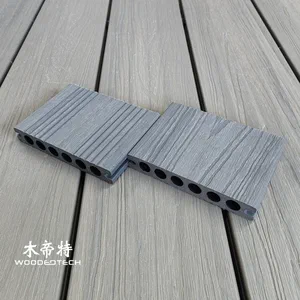 GD13823-3 Light Grey Premium Co Extrusion WPC Composite Decking Offers LG Texture and Excellent UV Resistance for Outdoor Spaces