
1 Inch Composite Deck Boards - Standard Thickness Profiles for Splicing
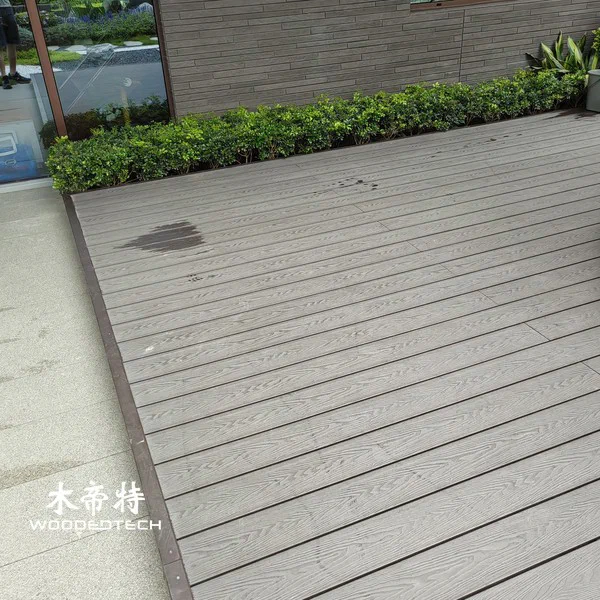
1 Inch composite deck boards are a common standard-thickness option for projects that need dependable span performance, clean splice lines, and efficient installation. For commercial buyers, this profile offers a practical balance between rigidity, weight, and cost, especially when sourcing materials for larger decks, platforms, and hospitality spaces.
Why 1 Inch Thickness Matters
A 1 inch board, typically around 25 mm in metric markets, is often selected because it gives installers enough body for stable fastening without making the system unnecessarily heavy. In B2B procurement, that matters when a project calls for consistent output across multiple sites, predictable handling, and fewer installation delays.
This thickness is also well suited to splicing layouts. When boards are joined over properly supported joists, the profile helps maintain a flatter finished surface and reduces the visual impact of seams. For distributors and contractors, that makes it easier to standardize stock and simplify installation guidance for crews.
Best Uses for Splicing Applications
Splicing is usually required on long runs, large terraces, and commercial decks where full-length boards are not always practical. A 1 inch composite deck board performs well when the substructure is designed correctly and the splice point is supported with framing beneath both board ends.

- hotel and resort boardwalks
- rooftop terraces
- restaurant patios
- public viewing platforms
- residential-to-commercial crossover projects
The key is not just the board thickness, but the full system: joist spacing, clip selection, thermal movement allowances, and the quality of the composite decking material. Buyers should confirm that the product is intended for deck boards, not just decorative use.
What Buyers Should Check Before Ordering
For wholesale or project purchasing, thickness alone is not enough. Ask for the board’s profile drawings, fixing method, and recommended joist spacing. If the product is a capped composite decking board, confirm the cap layer thickness and UV resistance, since these affect long-term appearance and maintenance needs.
It is also worth checking:
- solid or hollow core structure
- surface texture and slip resistance
- color consistency between batches
- expansion and contraction guidance
- available lengths for splice planning
A reliable supplier should be able to provide technical data and installation notes, especially for export orders where specifications must match local standards.
Sourcing for Commercial Projects
For splicing-focused projects, the best results come from matching the board profile to the site conditions rather than choosing by price alone. A stable 1 inch composite deck board can reduce callbacks, improve site efficiency, and support a more professional finish across multi-unit developments. For buyers comparing composite decking boards, ask for samples and verify actual thickness tolerance before placing bulk orders.
FAQ
Q: Is 1 inch composite deck board thickness enough for commercial use? A: Yes, when used with the correct joist spacing and support structure. It is a common choice for many commercial and hospitality decking projects.
Q: Are 1 inch boards suitable for splicing? A: They are suitable when the splice lands over proper framing support. Good substructure design is essential to keep seams level and secure.
Q: What should buyers confirm before ordering in bulk? A: Confirm the board profile, fastening system, core type, and installation requirements. These details matter more than thickness alone for project performance.
Related Articles
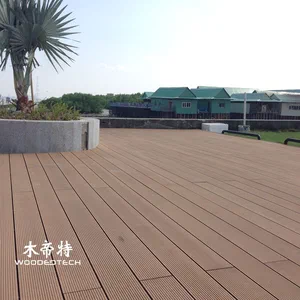
Related Products
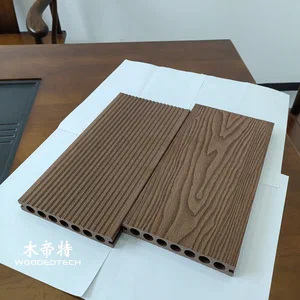 3D15023 First Generation 3D Embossed Composite Deck Boards With Stable Quality And High Performance For Premium Outdoor Projects
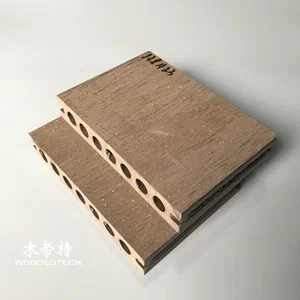 D13823 Round Hole Double Sided Flat WPC Bamboo Decking Boards With Strong Quality And Various Wood Grain Surface Treatments
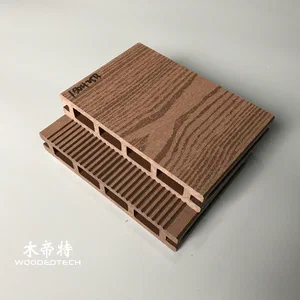 D15025-2 Classic Waterproof Insect Resistant Corrosion Resistant And Termite Resistant Composite Decking Types With Twenty Years Of Sales Experience