
0.5 Composite Deck Board Provides a Compact Profile Choice for Specific Outdoor Flooring Designs

:::writing{variant=“document” id=“58391” title=“0.5 Composite Deck Board Provides a Compact Profile Choice for Specific Outdoor Flooring Designs”} A 0.5 composite deck board is a compact WPC profile designed for outdoor flooring projects where space efficiency, appearance, and practical installation are important. Its profile structure, internal design, and surface treatment directly affect load performance, material usage, production cost, and final installation results.
Profile Design and Structural Performance
WPC extrusion mold design determines how a deck board balances strength and weight. A 0.5 composite deck board usually uses a thinner or more compact profile compared with heavy-duty boards, making it suitable for balconies, garden paths, raised platforms, and projects with moderate load requirements.
Engineers select between hollow and solid structures according to application needs. Hollow profiles reduce material consumption, lower transportation weight, and improve cost efficiency while maintaining sufficient stiffness through internal support design. Solid composite decking provides higher impact resistance and stronger fastening performance, making it better for commercial areas or locations with heavier foot traffic.
- Hollow structure: lighter weight, lower material cost, easier handling
- Solid structure: higher density, stronger fixing strength, better impact resistance
- Reinforced hollow structure: balanced performance with optimized material use
Rib Design and Installation Efficiency
Internal ribs are key elements in a WPC extrusion profile. Proper rib spacing improves bending resistance, prevents deformation, and allows manufacturers to reduce unnecessary material thickness. Poor rib design can increase weight without delivering meaningful strength improvements.
For installation, a well-designed 0.5 composite deck board profile supports stable connection systems and accurate alignment between boards. The extrusion mold must maintain precise dimensions so installers can achieve consistent gaps, secure fastening, and faster project completion.
Surface Patterns and Product Value
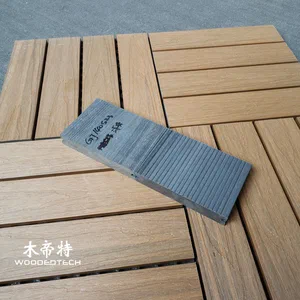
Surface patterns influence both appearance and practical performance. Wood grain embossing, grooves, and anti-slip textures can improve visual appeal while helping reduce slipping risks in outdoor environments. Advanced surface treatments, such as embossed finishes, also allow compact deck profiles to achieve a premium wood-like appearance.
The choice of surface design affects manufacturing complexity and cost. Simple textures require less processing, while deeper patterns and customized finishes may increase mold development requirements and production expenses. For buyers, the right balance between design, durability, and budget helps create a more suitable outdoor flooring solution.

Applications of Compact WPC Deck Profiles
A 0.5 composite deck board is often selected for projects requiring a thinner, lighter, and efficient flooring solution. When combined with optimized hollow sections, reinforced ribs, and suitable surface treatments, it can provide reliable outdoor performance while reducing installation challenges and material waste.
FAQ
Q: Is a 0.5 composite deck board suitable for heavy traffic areas? A: It depends on the profile structure and reinforcement design. Solid or reinforced profiles are recommended for areas requiring higher load capacity.
Q: What is the difference between hollow and solid WPC decking? A: Hollow WPC decking uses less material and is lighter, while solid decking provides greater density and stronger impact resistance.
Q: How do surface patterns affect composite deck performance? A: Surface patterns improve appearance and can enhance slip resistance, but more complex textures may increase production costs.
:::
Related Articles
 Composite Deck Boards 16 ft Provide Convenient Length Options for Large Outdoor Decking Projects
 Composite Decking 4 x 4 Provides Flexible Structural Options for Outdoor Construction Projects
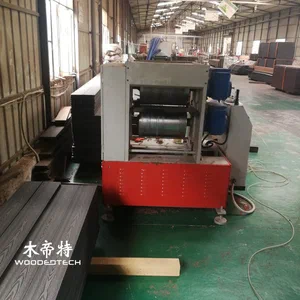 14 ft composite deck boards offer long length options for large outdoor flooring projects
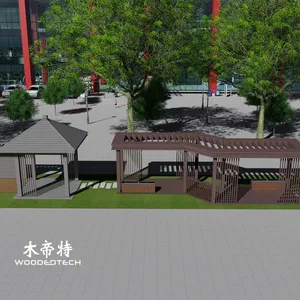 1x8 composite decking provides a versatile board size for residential and commercial deck projects
Related Products
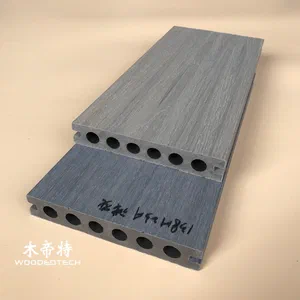 GD13823 Composite Decking Material Features Six Small Round Holes to Reduce Weight While Maintaining Structural Strength
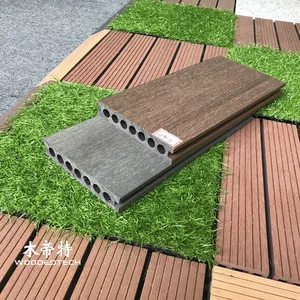 GD13823-2 Wood Versus Composite Decking Features Seven Round Holes with Wood Grain and Brushed Textures on Opposite Sides
 GD14023S Composite Deck Materials Feature a Solid Structure and Side Grooves for Better Adaptability in Extremely Cold Climates